Floorings: paints and coatings for floors
Painting a floor is not like painting a wall. Flooring is subject to abrasion, impact, chemicals, and capillary moisture, which means the system must be chosen for its resistance, not its color. Here you will find epoxy, polyurethane, acrylic paint, microcement, and technical finishes for garages, warehouses, terraces, or swimming pools.
Which system depending on the use
| System | Resistance | Weak point | Typical Use |
|---|---|---|---|
| 2-component Epoxy | Very high abrasion and chemical resistance | Yellows with sun exposure | Garages, warehouses, workshops, interiors |
| Polyurethane | High, with some elasticity | More expensive | Exterior, areas with expansion |
| Water-based Acrylic | Medium | Shorter lifespan | Light traffic, storage rooms, quick renovations |
| Microcement | High if well-sealed | Demanding application | Homes, commercial spaces, decorative finish |
Substrate preparation
For flooring, preparation is more important than the product. A good epoxy that is poorly prepared will last less than a well-applied acrylic.
- ✓ New concrete needs 28 days of curing before anything can be applied.
- ✓ Remove surface laitance by shot blasting, milling, or diamond grinding.
- ✓ Degrease thoroughly: engine oil penetrates and ruins adhesion.
- ✓ Seal cracks and joints before applying, never after.
- ✓ Bag test: stick plastic to the floor for 24 hours. If condensation appears, there is moisture and you need an epoxy barrier.
Working with two-component products
- 1 → Respect the mixing ratio by weight. "Eyeballing" it won't cure properly and will remain soft forever.
- 2 → Mix with an electric stirrer at low revolutions and scrape the bottom and sides of the bucket.
- 3 → Monitor the pot life of the mixture. Once mixed, the clock is ticking even if you don't apply it.
- 4 → Apply between 10 and 25 °C. It won't cure in the cold; in the heat, you'll run out of working time.
- 5 → Respect the curing time before allowing traffic: pedestrian in hours, vehicular usually requires several days.
-
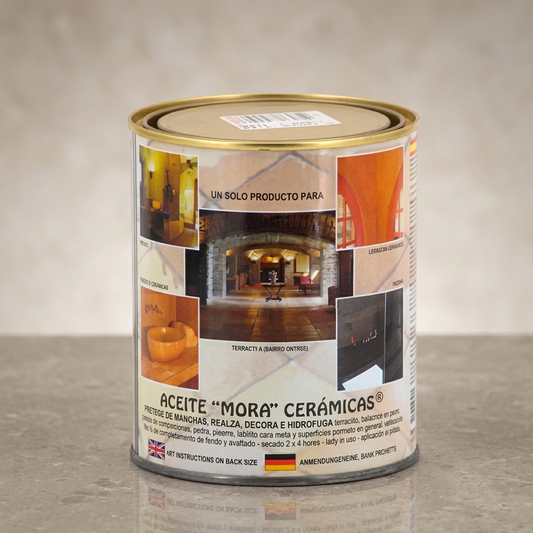

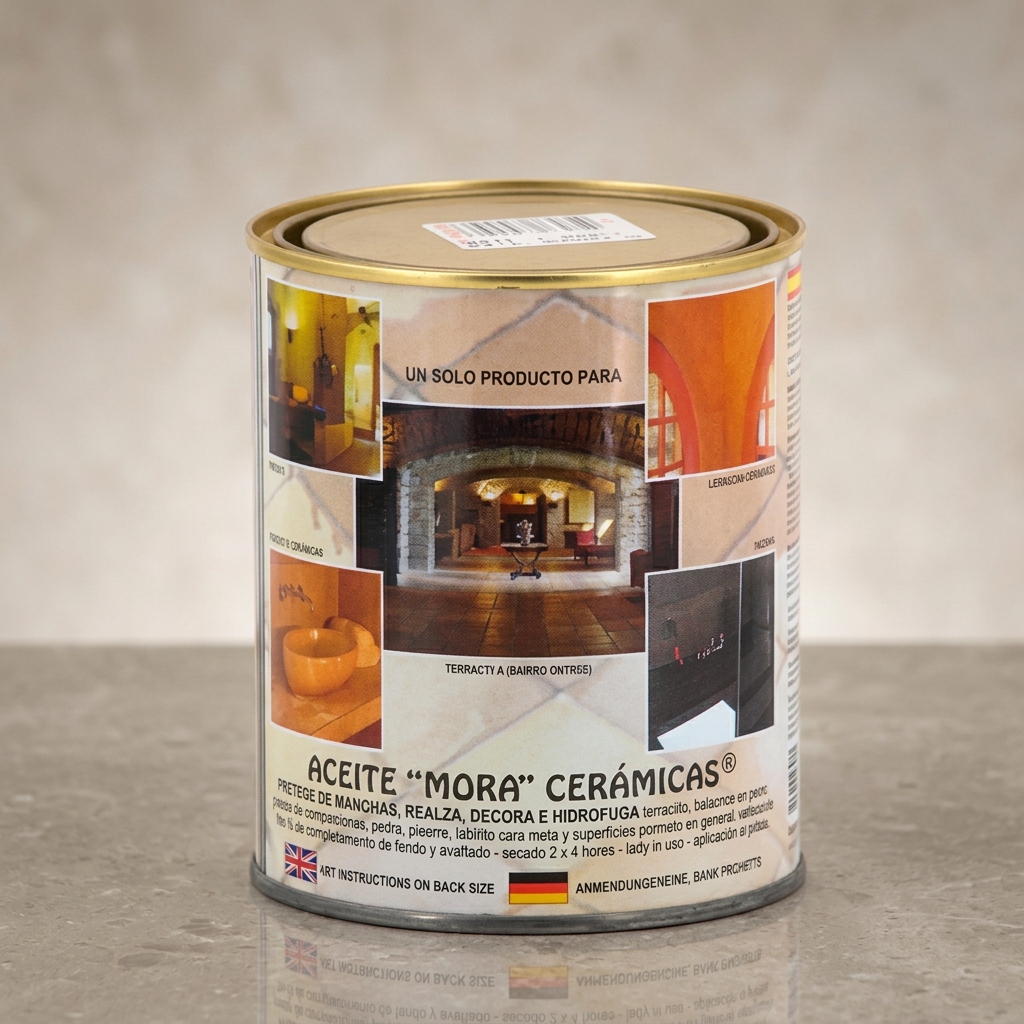 -9%MORA
Mora Aceite Cerámicas — Wet-Look Protector for Clay, Terracotta, and Natural Stone
Mora Aceite Cerámicas is a high-penetration protective treatment specifically formulated for rustic ceramic and natural stone floors and coverings, as...
From 12.50 € 15.83 €132.00 €132.00 € 145.81 €In stock, ready for dispatch -
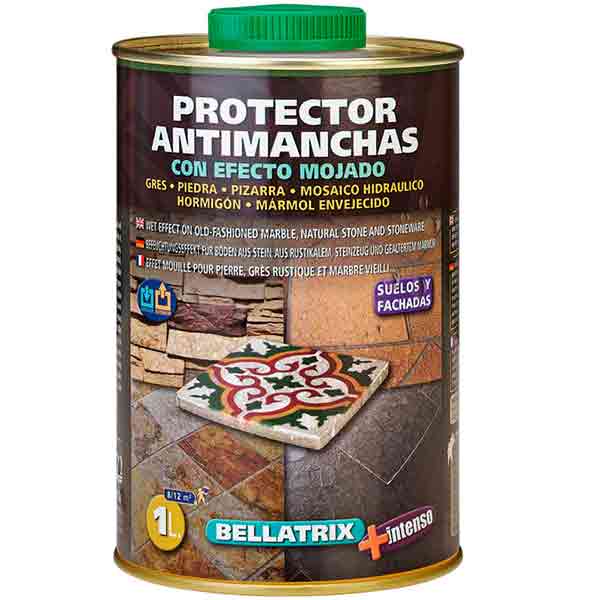 -34%Monestir
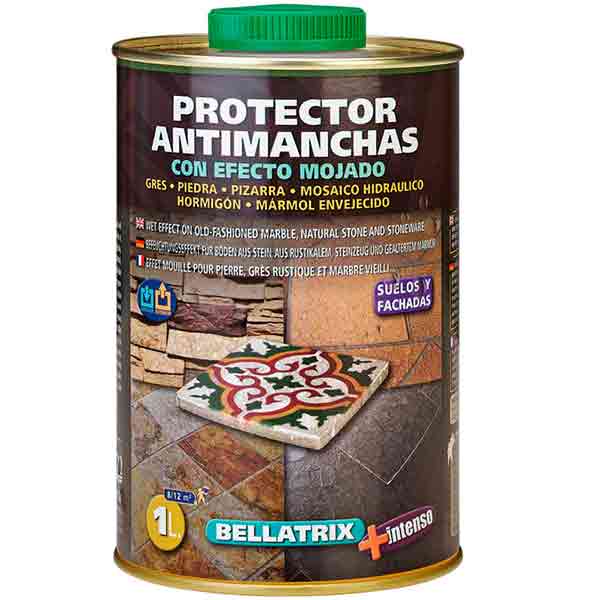
Monastery Bellatrix — Wet-Look Satin Protective Coating for Natural Stone and Porous Materials
Monestir Bellatrix is Monestir's protective treatment with a satin wet-look effect for natural stone and porous material floors and joints...
From 18.28 € 28.12 €18.28 €18.28 € 28.12 €In stock, ready for dispatch -
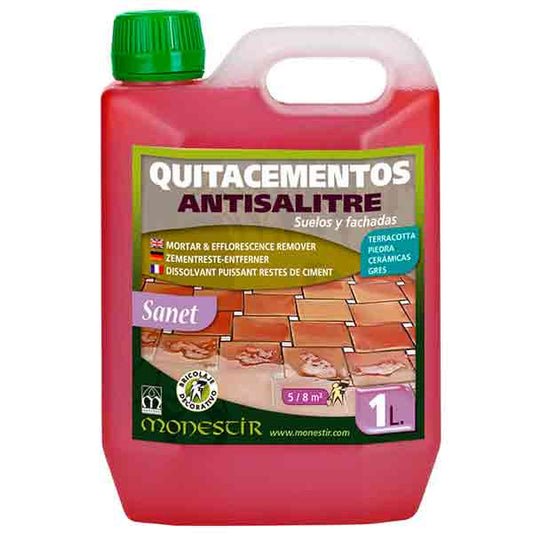
 -35%Monestir
Monestir Sanet — Anti-Saltpeter Acid Descaler for Terracotta, Stoneware, and Facades
Monestir Sanet is Monestir's concentrated acid cleaner for removing construction residues (cement, mortar), salt efflorescence, and stubborn stains on floors...
From 7.31 € 11.25 €7.31 €7.31 € 11.25 €In stock, ready for dispatch -
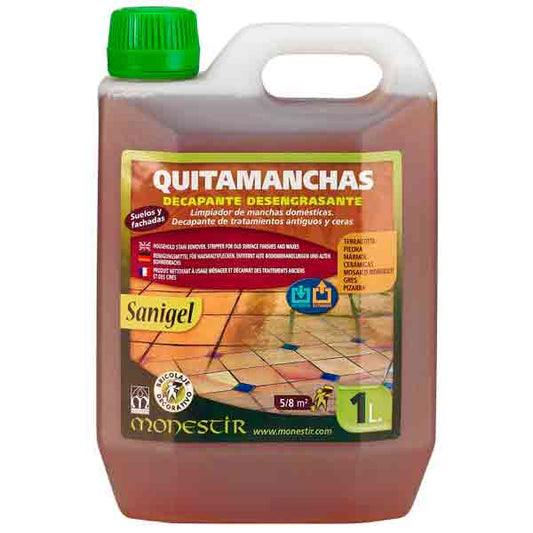
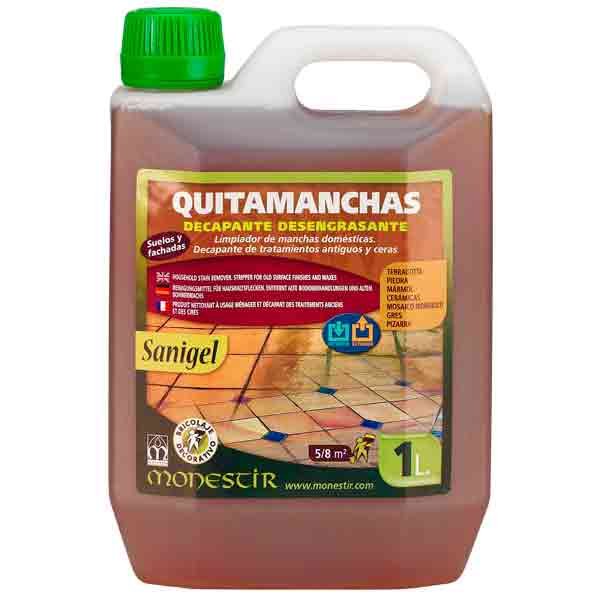 -37%Monestir
Monestir Sanigel — Stripping Cleaner for Terracotta, Stoneware, and Stone (Indoor and Outdoor)
Monestir Sanigel is Monestir's long-acting cleaner and stripper — it removes household stains (oils, grease, wine, coffee), strips old varnishes,...
From 10.66 € 16.99 €18.22 €18.22 € 29.02 €In stock, ready for dispatch -


 RENNER
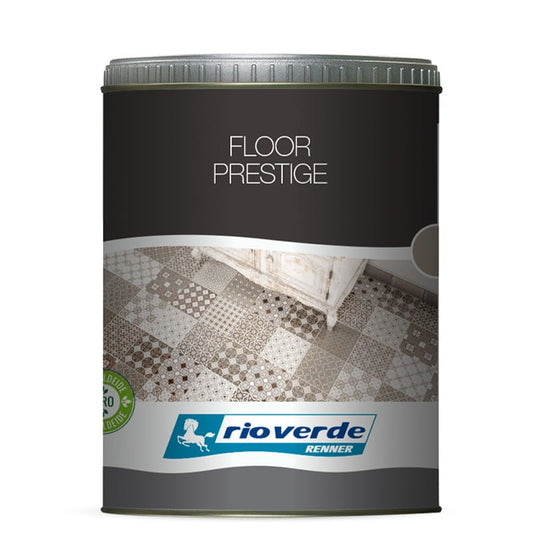
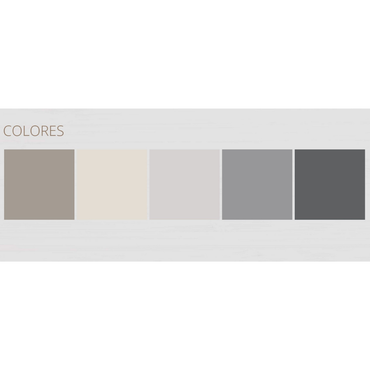
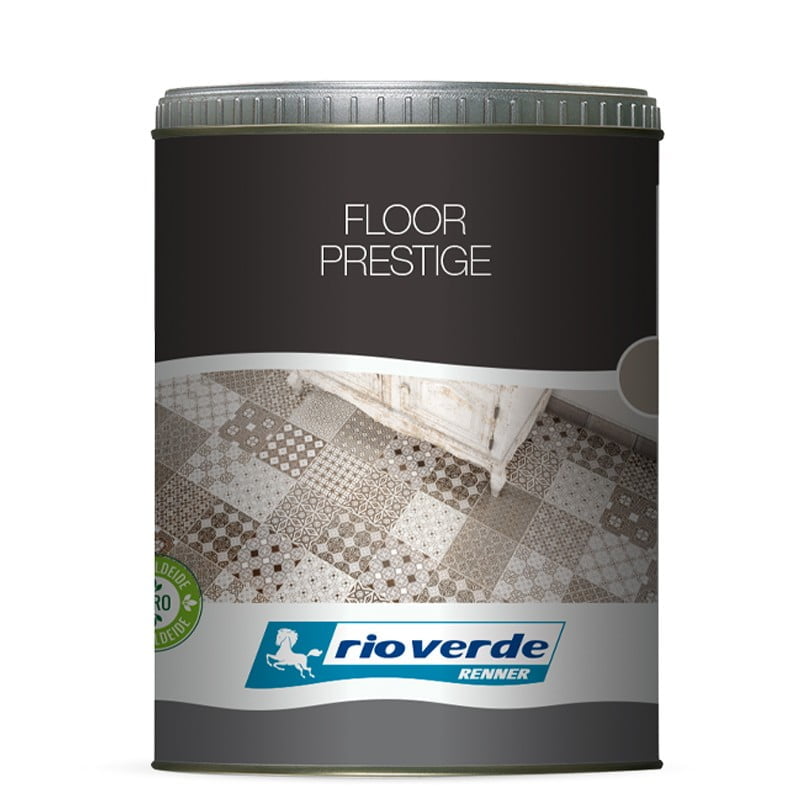
Floor Prestige Floor Paint
Floor Prestige · Water-Based Floor Paint A matte, high-tech, one-component varnish formulated by RENNER to renovate and protect floors without...
From 30.89 €30.89 €30.89 €In stock, ready for dispatch -
 -24%Monestir
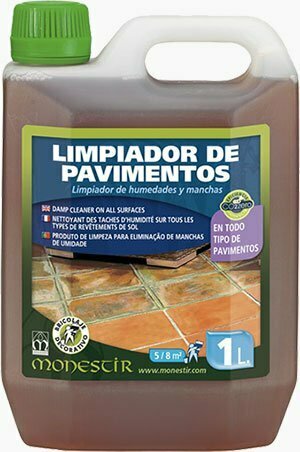
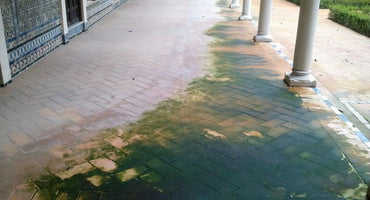
Monestir Anti-Moss Anti-Mildew Cleaner for Outdoor Pavements — Terraces, Patios, and Facades
Monestir Anti-Algae Anti-Mold Cleaner is Monestir's professional treatment to remove green and black stains, and mold from exterior pavements and...
From 11.22 € 17.25 €94.04 €94.04 € 125.38 €In stock, ready for dispatch -
 -34%Monestir
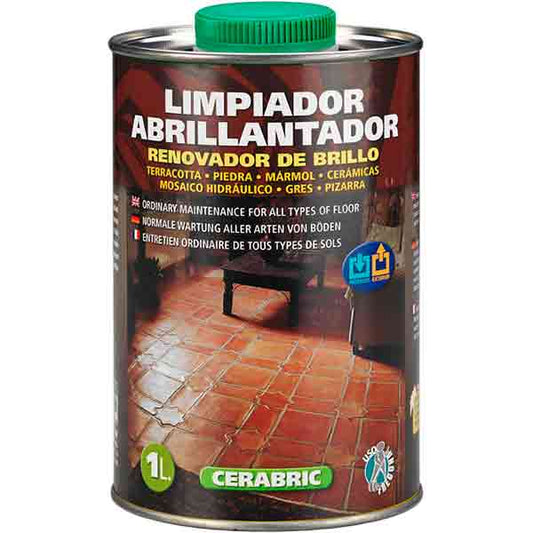
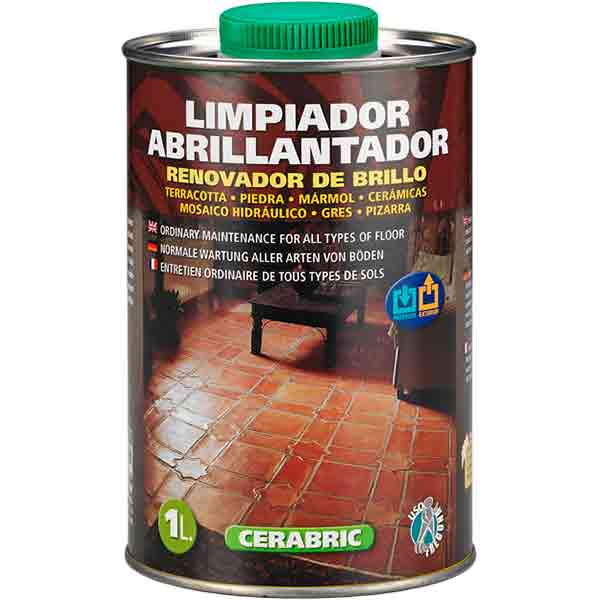
Monestir Cerabric — Hydrating and Regenerating Cleaner for Terracotta Clay and Stone
Monestir Cerabric is Monestir's moisturizing, shine-regenerating cleaner for treated terracotta, fired clay, stone, and stoneware floors. It cleans everyday dirt...
From 15.81 € 24.32 €15.81 €15.81 € 24.32 €In stock, ready for dispatch -
 -37%Monestir
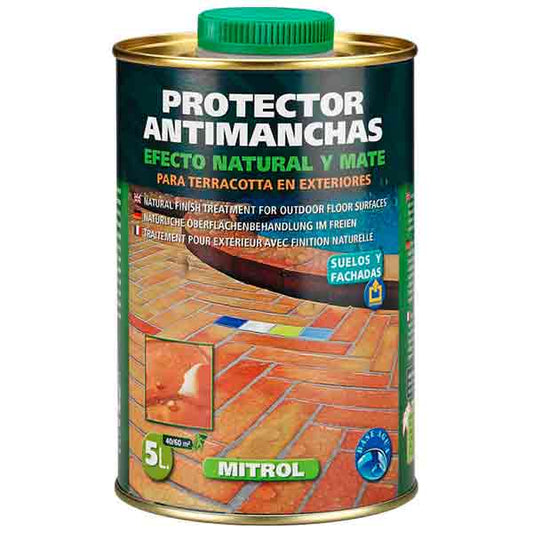
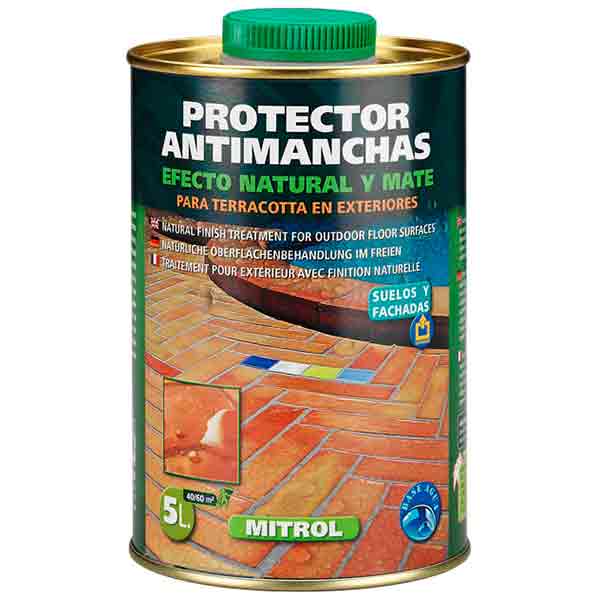
Monestir Mitrol — Invisible Ecological Protector for Terracotta, Limestone, and Sandstone
Monestir Mitrol is Monestir's eco-friendly, water-based protective treatment for terracotta, limestone, and sandstone — it protects against humidity, efflorescence, and...
From 18.15 € 29.06 €18.15 €18.15 € 29.06 €In stock, ready for dispatch -
 -29%FILA
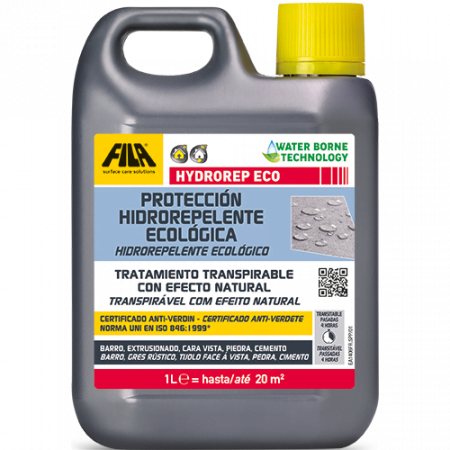
Fila Hydrorep Eco — Ecological Water-Based Water Repellent for Natural Stone, Brick, and Facades 1L and 5L
Fila Hydrorep Eco is Fila Solutions' ecological, water-based water repellent for natural stone, terracotta, exposed brick, and cement surfaces —...
From 23.77 € 33.53 €23.77 €23.77 € 33.53 €In stock, ready for dispatch -
 -16%FILA
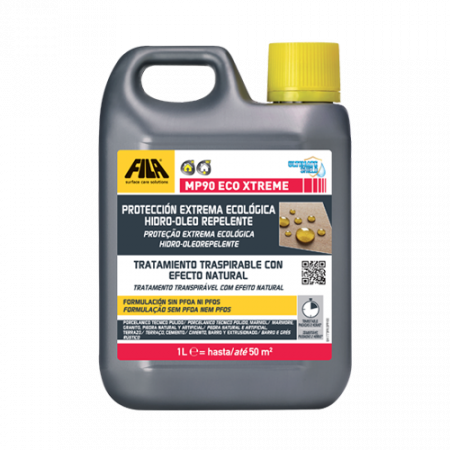
Fila MP90 Eco Xtreme - Premium Protector for Marble, Granite, Porcelain Stoneware and Countertops 1L and 5L
Fila MP90 Eco Xtreme is Fila Solutions’ premium high-performance protector — eco-friendly water-based formula for marble, granite, natural stone, concrete,...
From 54.44 € 65.46 €54.44 €54.44 € 65.46 €In stock, ready for dispatch -
 -34%Monestir
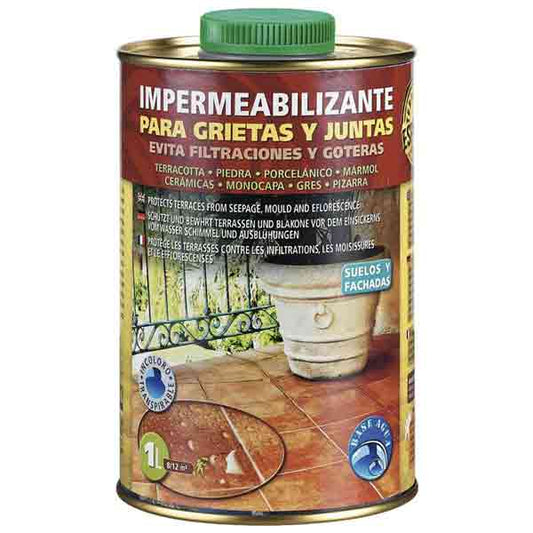
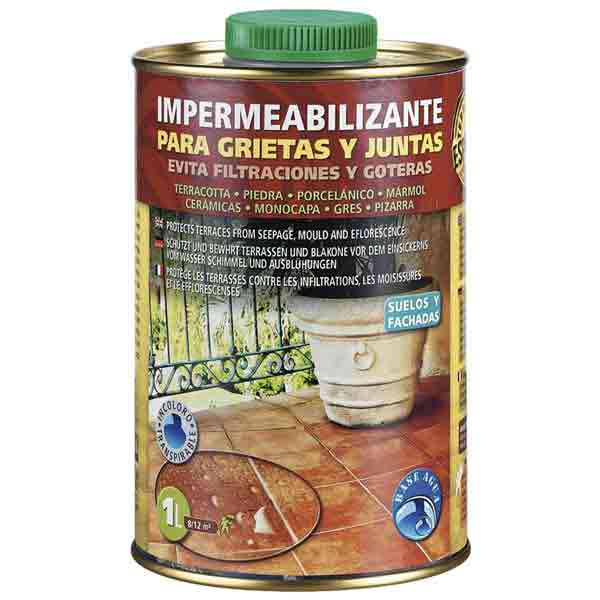
Monestir Waterproofing Cracks and Joints — Water Repellent for Terraces, Roofs, and Tiles
Monestir Cracks and Joints Waterproofing is Monestir's water-based waterproofing treatment for terraces, roofs, attics, and tiles — it seals pieces,...
From 15.53 € 23.89 €15.53 €15.53 € 23.89 €In stock, ready for dispatch -
 -35%Monestir
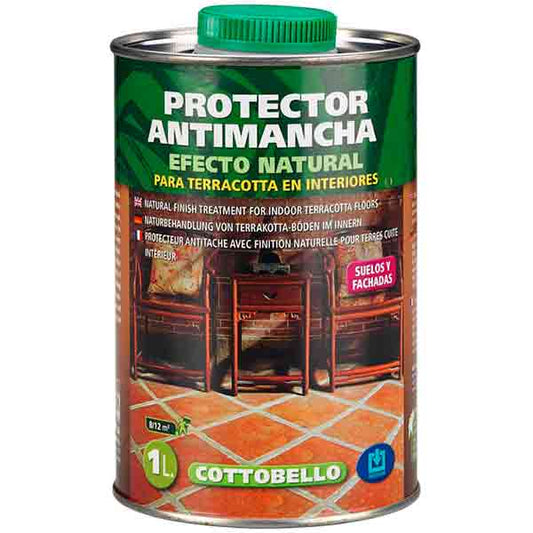
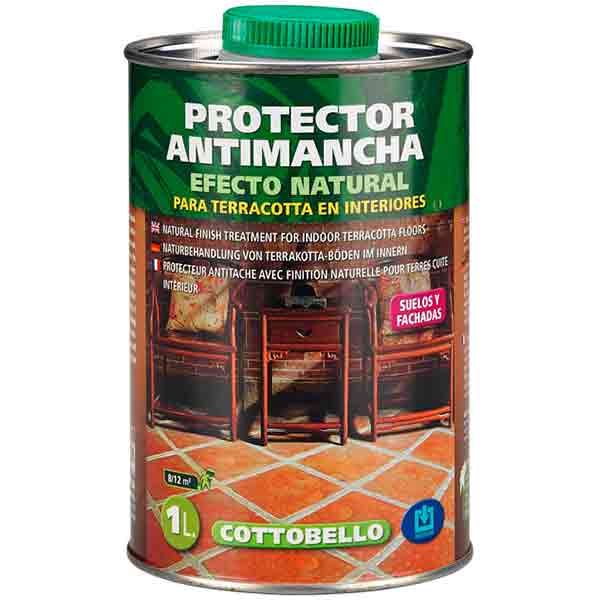
Cottobello Monastery — Ecological Mud and Terracotta Interior Base Treatment Without Altering Color
Monestir Cottobello is Monestir’s ecological base treatment for indoor clay and terracotta — it deeply penetrates, drastically reduces porosity, uniformly...
From 15.05 € 23.16 €15.05 €15.05 € 23.16 €In stock, ready for dispatch