Mortars: adhesive, leveling, repair, and rendering
A mortar is a mixture of binder, aggregate, and additives formulated for a specific function. Using the wrong one is the usual cause of tiles coming loose and repairs cracking after a few months. Here you will find adhesive mortars, self-leveling mortars, repair mortars, single-coat renders, and gripping mortars.
Which mortar for each job
| Type | Purpose | Typical thickness |
|---|---|---|
| Adhesive mortar | Laying ceramic, porcelain, stone | 3–10 mm depending on piece |
| Self-leveling | Leveling screed before flooring | 3–10 mm |
| Repair | Damaged concrete, edges, exposed rebar | Up to 30–50 mm per coat |
| Single-coat render | Rendering facade in a single application | 10–15 mm |
Understanding the bag's acronyms (C2 TE S1 and others)
Cementitious adhesives are classified according to standard UNE-EN 12004. Those letters on the bag are not marketing; they define performance measured in tests.
- ✓ C1 / C2: normal or improved adhesion. For porcelain and outdoors, C2.
- ✓ T: reduced slip. The piece does not fall when tiling from top to bottom.
- ✓ E: extended open time. Useful in summer or large surfaces.
- ✓ S1 / S2: deformability. Mandatory for underfloor heating, wood, or moving substrates.
- ✓ Practical rule: large format porcelain stoneware for outdoor use requires at least C2 TE S1.
Mixing and application
- 1 → Respect the mixing water specified on the bag. Adding too much water drastically reduces final strength.
- 2 → Mix, let stand for a few minutes, and mix again. This resting period activates the additives.
- 3 → Never re-mix by adding water when it starts to harden. That material is no longer usable.
- 4 → For ceramics, check the open time: if the adhesive has formed a skin, it won't bond. Remove and replace.
- 5 → For outdoor and large format, apply back-buttering (trowel on substrate and on piece) to fill 100% of the back.
-
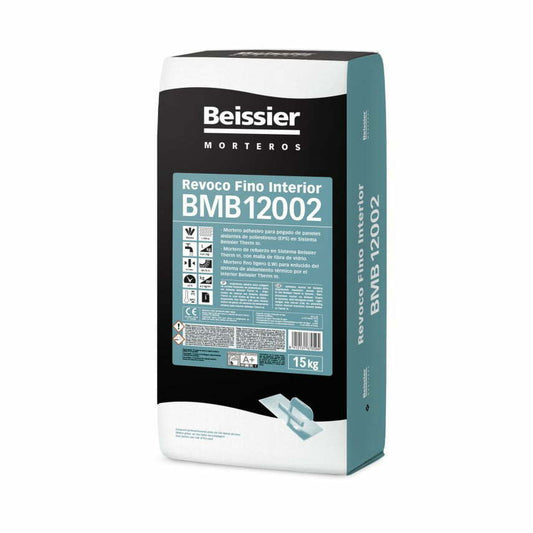 -44%Beissier
Fine Interior Render BMB12002 Beissier Therm In — Reinforcing Coat for Insulation Boards
BMB12002 Beissier Therm In Fine Interior Plaster is the plastering mortar for the Beissier Therm In interior thermal insulation system....
29.23 € 53.06 €29.23 €29.23 € 53.06 €In stock, ready for dispatch -


 -53%KERAKOLL
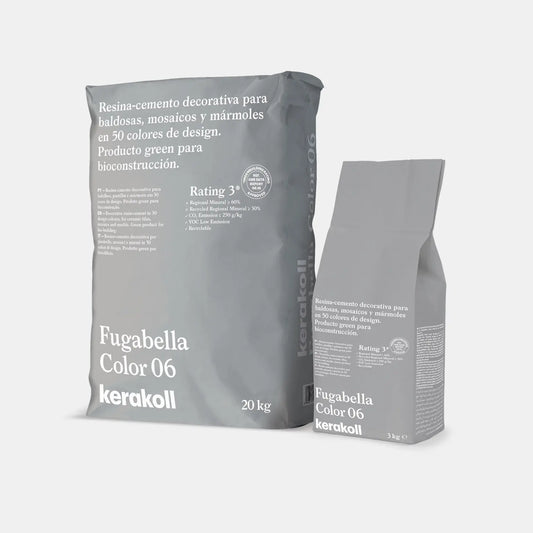
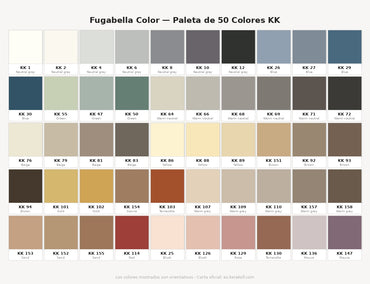
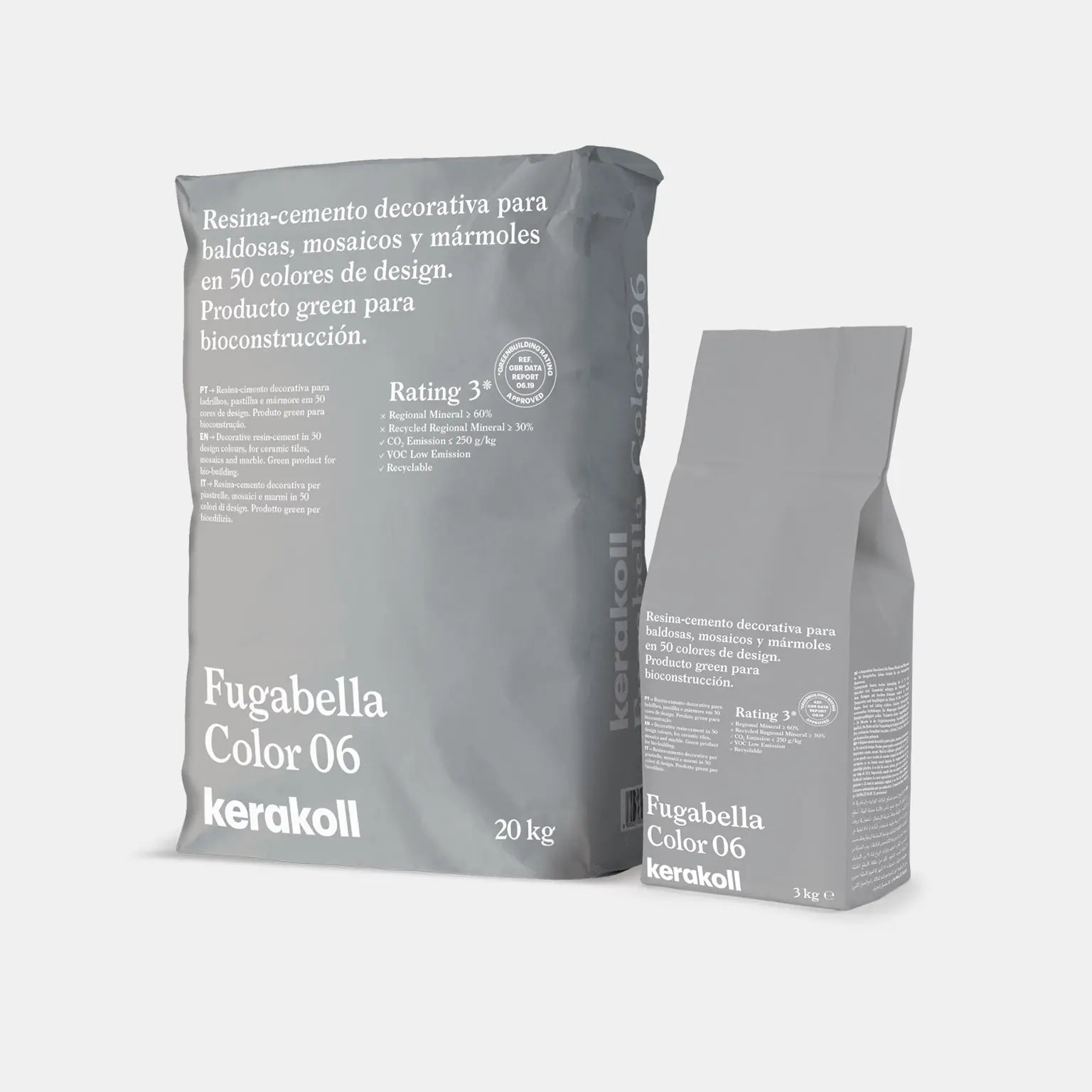
Kerakoll Fugabella Color 3kg — Resin-Cement Grout 50 Colors, 0-20 mm, Indoor and Outdoor
Kerakoll Fugabella Color is the new generation resin-cement decorative grout for grouting porcelain stoneware, mosaic and natural stone. Its hybrid...
From 13.95 € 29.95 €13.95 €13.95 € 29.95 € -
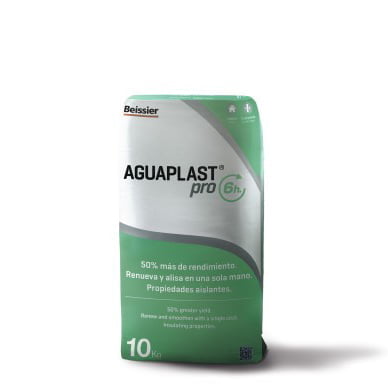 -28%Beissier
Aguaplast Pro 6h — Insulating Professional Filler with Microspheres, Anti-Condensation 10 kg
Aguaplast Pro 6h is Beissier's high-performance insulating professional filler — the most advanced product in the Aguaplast range, with 50%...
26.95 € 37.56 €26.95 €26.95 € 37.56 €In stock, ready for dispatch -
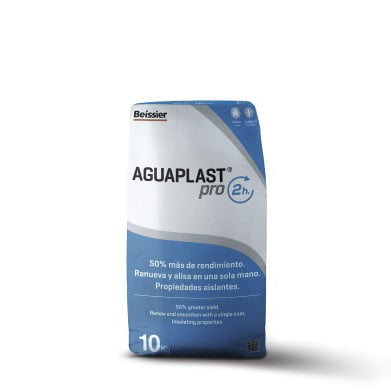
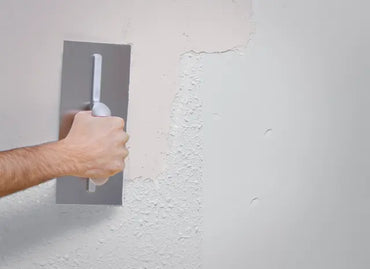 -28%Beissier
Aguaplast Pro 2h — Insulating Professional Filler with Microbeads, Anti-condensation 10 kg
Aguaplast Pro 2h is Beissier's high-performance insulating professional filler — the most advanced product in the Aguaplast range, with 50%...
26.95 € 37.56 €26.95 €26.95 € 37.56 €In stock, ready for dispatch -
 -18%Beissier
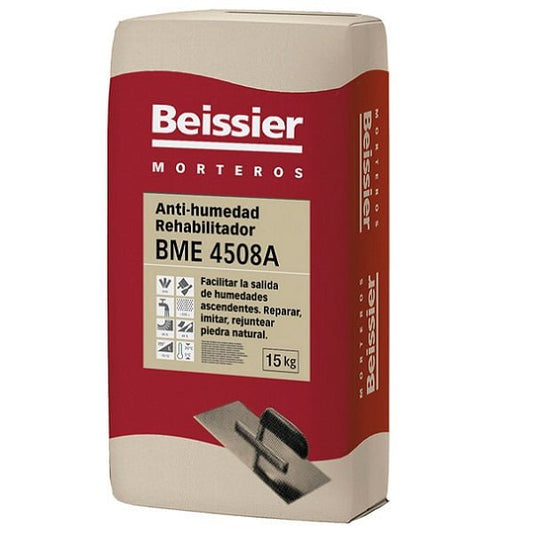
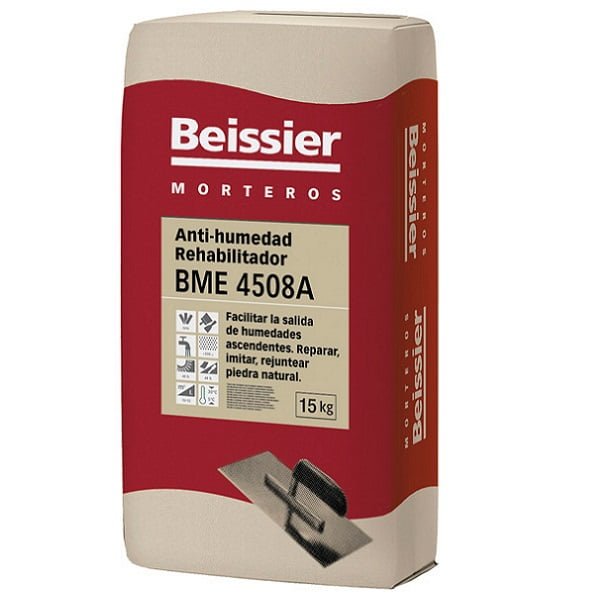
Anti-Humidity Restoration Mortar BME 4508 Beissier — Eliminates Rising Damp
Beissier BME 4508 Restorative Anti-Damp Mortar is Beissier's technical mortar based on cement modified with synthetic resins formulated to eliminate...
67.74 € 83.49 €67.74 €67.74 € 83.49 €In stock, ready for dispatch -
 -36%ARDEX
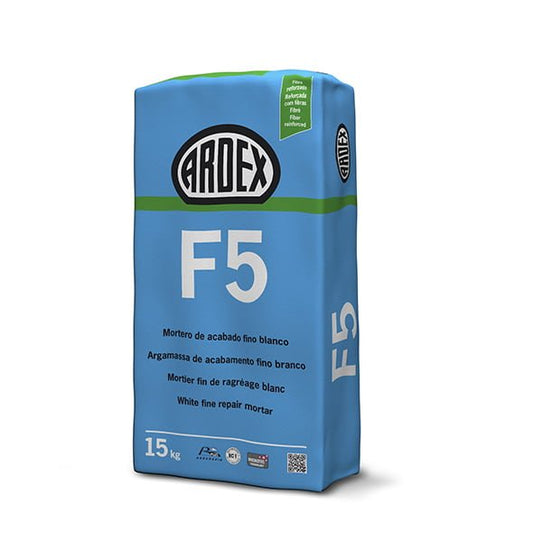
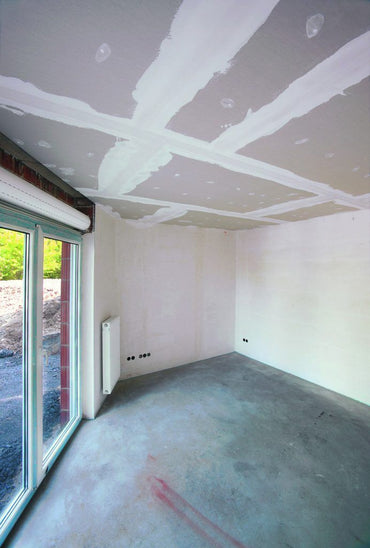
ARDEX F5 — Microtec Fiber Fine Finishing Mortar Wall Skimming 15 kg
ARDEX F5 is Ardex's fine finishing mortar — formulated with special hydraulic binders, resin powders, and Microtec fibers to achieve...
53.19 € 84.00 €53.19 €53.19 € 84.00 € -

 -15%ARDEX
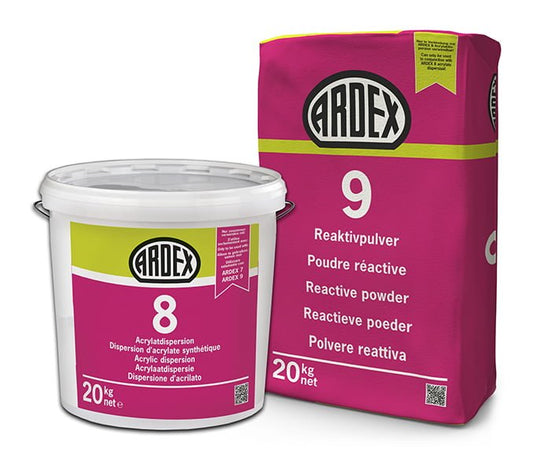
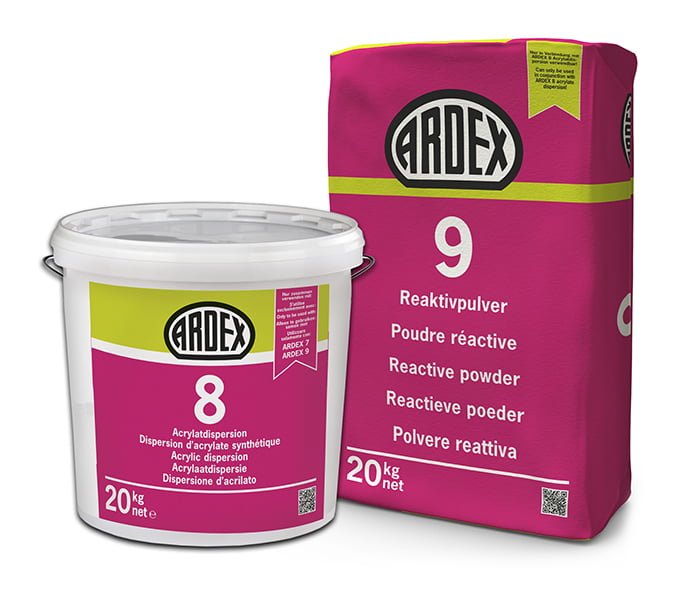
ARDEX 8+9 — Two-Component Coatability Waterproofing Membrane Bathrooms Terraces
ARDEX 8+9 is Ardex's leading two-component waterproofing membrane — powder (ARDEX 9) + dispersion (ARDEX 8) which are mixed to...
From 96.93 € 114.04 €96.93 €96.93 € 114.04 € -
 -28%KERAKOLL
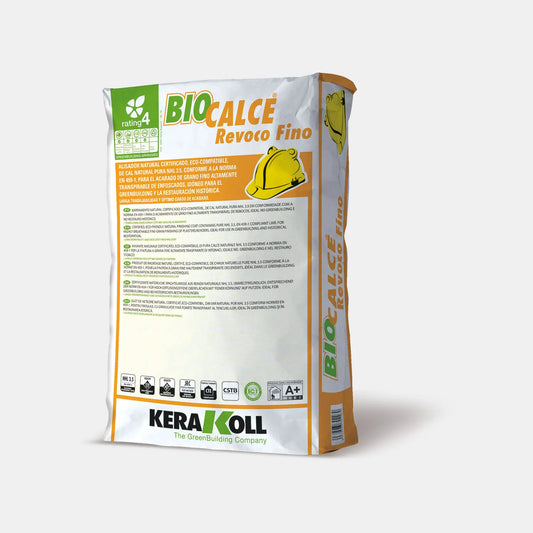
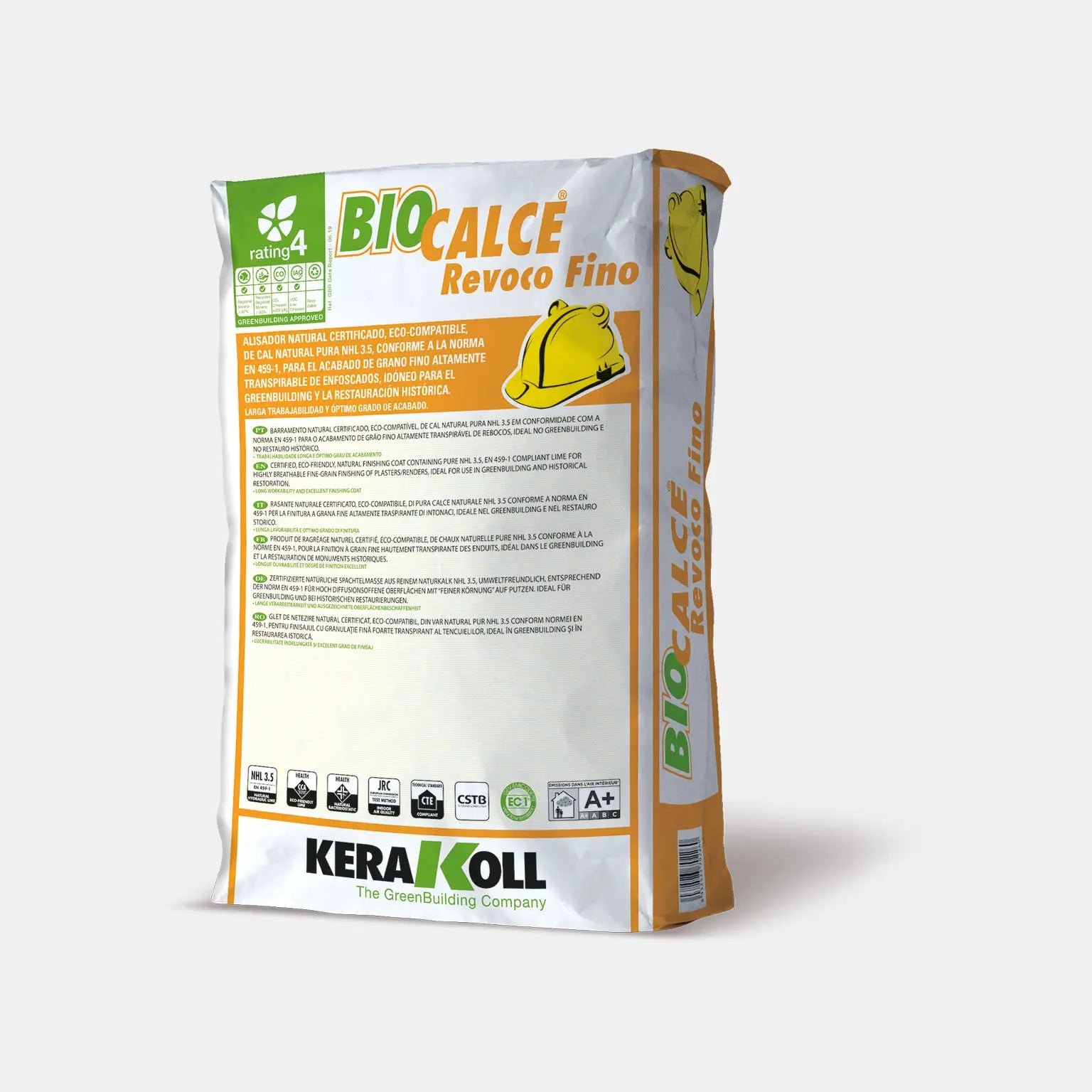
Kerakoll Biocalce Revoco Fino 25 kg — Natural NHL 3.5 lime plaster, fine-grain finish and high breathability
Fine lime finish, with a wall that continues to breathe Kerakoll Biocalce Revoco Fino is a certified and eco-compatible natural...
21.29 € 29.95 €21.29 €21.29 € 29.95 € -
 -45%Beissier
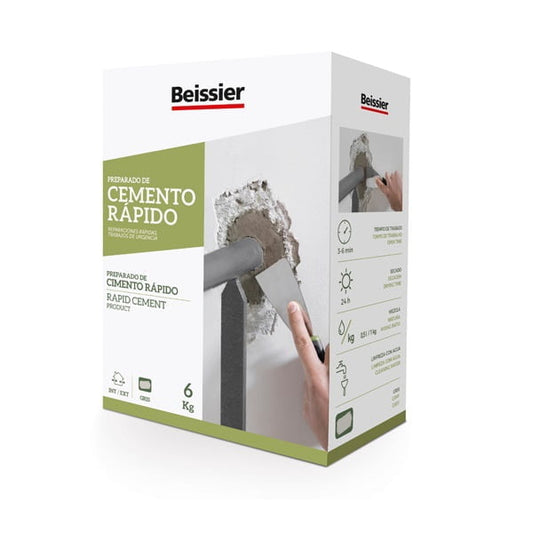
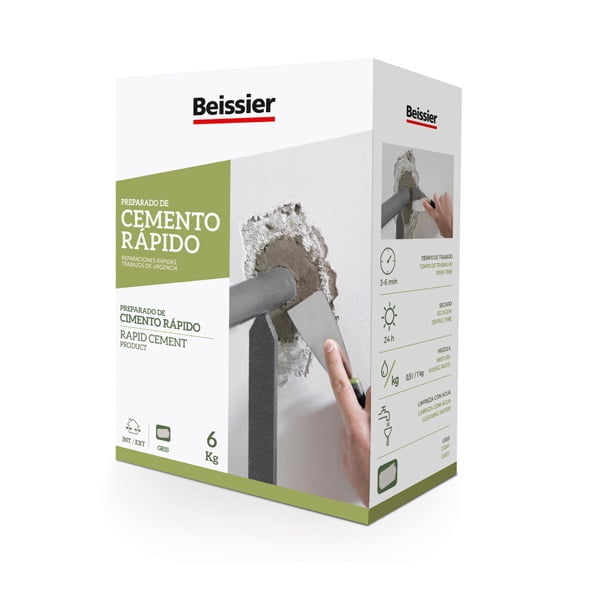
Beissier Rapid Cement — Instant Leak Stopper for Urgent Repairs
Beissier Fast Cement is an instant-setting hydraulic binder designed to seal water leaks, repair pipes, tanks, and joints in contact...
2.89 € 5.26 €2.89 €2.89 € 5.26 €In stock, ready for dispatch -
 -46%Beissier
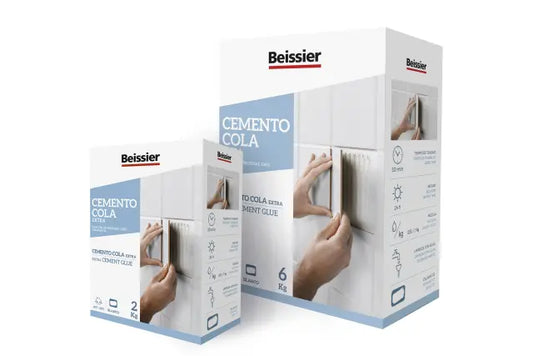
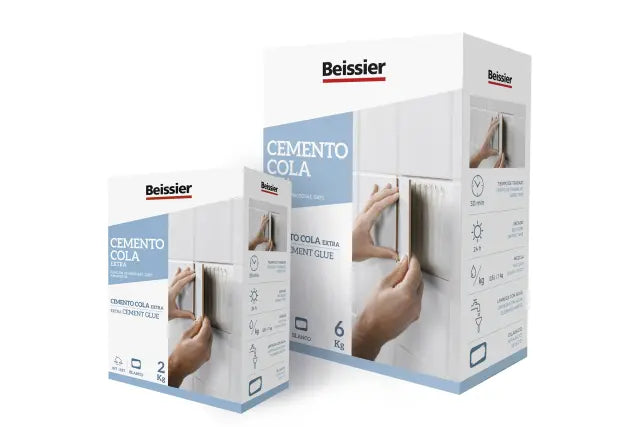
Beissier Extra Cement Glue — C1 Ceramic Adhesive for Tiles, Stoneware and Natural Stone
Cemento Cola Extra Beissier is a high-performance porcelain mortar, classified as C1 according to EN 12004, for installing and bonding...
3.44 € 6.45 €3.44 €3.44 € 6.45 €In stock, ready for dispatch -
 -46%Beissier
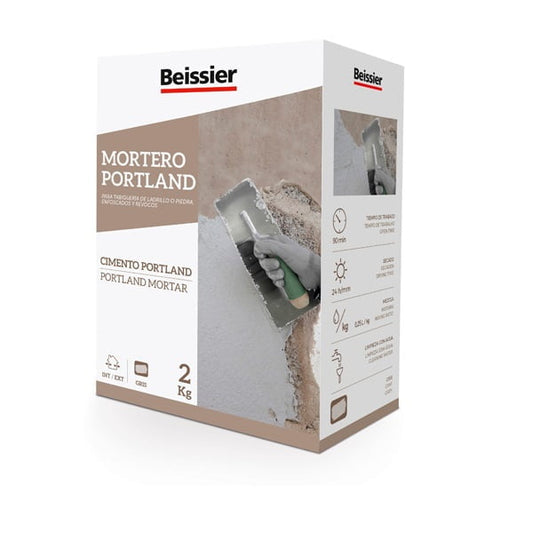
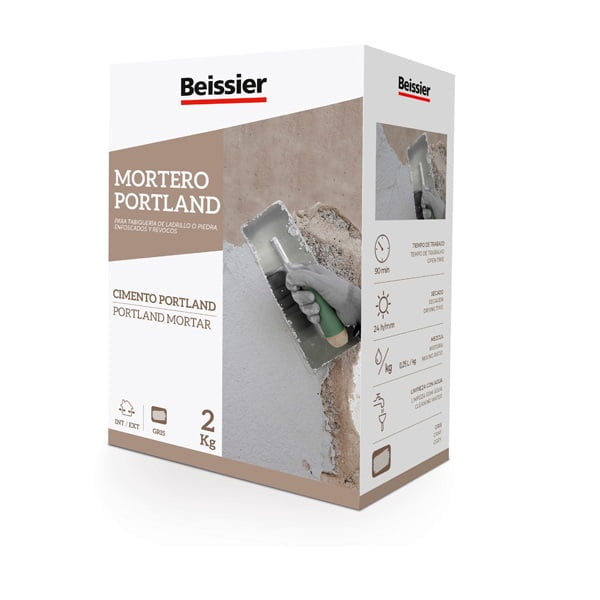
Mortero Portland M-80A Beissier — High-Strength Cement for Renders and Pavements
Beissier M-80A Portland Mortar is a professional dry cement mortar classified as type M-80A according to NBE FL-90 for plastering,...
From 3.20 € 5.97 €3.20 €3.20 € 5.97 €In stock, ready for dispatch -
 -46%Beissier
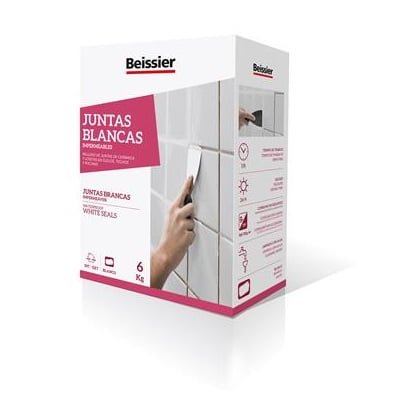
Beissier Waterproof White Grout — CG2W Grout Mortar for Tiles and Pools
Beissier Waterproof White Grout is an improved CG2W cementitious mortar with low water absorption for filling and waterproofing joints in...
5.55 € 10.37 €5.55 €5.55 € 10.37 €In stock, ready for dispatch