Wood Treatments: Varnishes, Wood Stains, and Oils
Wood needs protection from three enemies: water, ultraviolet radiation, and living organisms (fungi and wood-boring insects). Here you'll find varnishes, wood stains, oils, enamels, and protectors for interior and exterior carpentry, furniture, and structures.
Varnish, Wood Stain, or Oil: The Real Difference
| Product | Finish | Maintenance | Suitable for |
|---|---|---|---|
| Varnish | Glossy or satin film | Sand and re-varnish when it peels | Interiors, furniture, floors, doors |
| Wood Stain | Open pore, visible grain | Clean and apply another coat | Exteriors, windows, porches, fences |
| Oil | Natural, matte, wood feel | Re-oil periodically | Countertops, teak, garden furniture |
| Enamel | Opaque, covers the grain | Sand and repaint | When color matters more than wood |
Usage Classes: How Much Protection Do You Need?
The European standard classifies wood exposure. Knowing which class your piece falls into prevents undershooting (and having to redo the work) or overusing product.
- ✓ Class 1: dry interior. Furniture, paneling. Decorative finish is sufficient.
- ✓ Class 2: interior with occasional humidity. Bathrooms, covered roofs.
- ✓ Class 3: exterior without ground contact. Windows, porches, fences.
- ✓ Class 4: direct contact with ground or water. Requires autoclave-treated wood, not just finish.
Correct Application Order
- 1 → Make sure the wood is dry. Above 18% moisture, almost no finish adheres well.
- 2 → If there's insect or fungal attack, treat with a protector first. The finish doesn't cure anything.
- 3 → Sand along the grain and remove all dust.
- 4 → Apply primer or sealer if the system requires it.
- 5 → Two or three coats of finish, sanding lightly between coats. Outdoors, focus on end grain and edges: that's where water enters.
-
 -21%SIKKENS
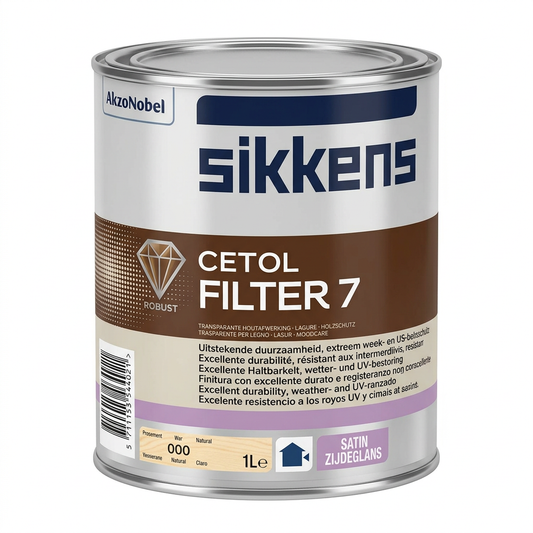
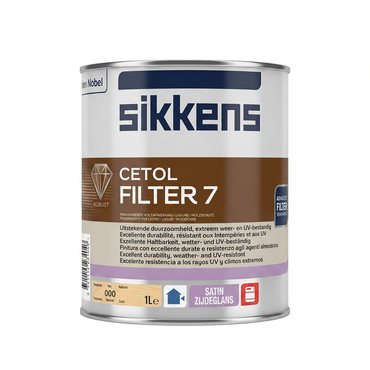
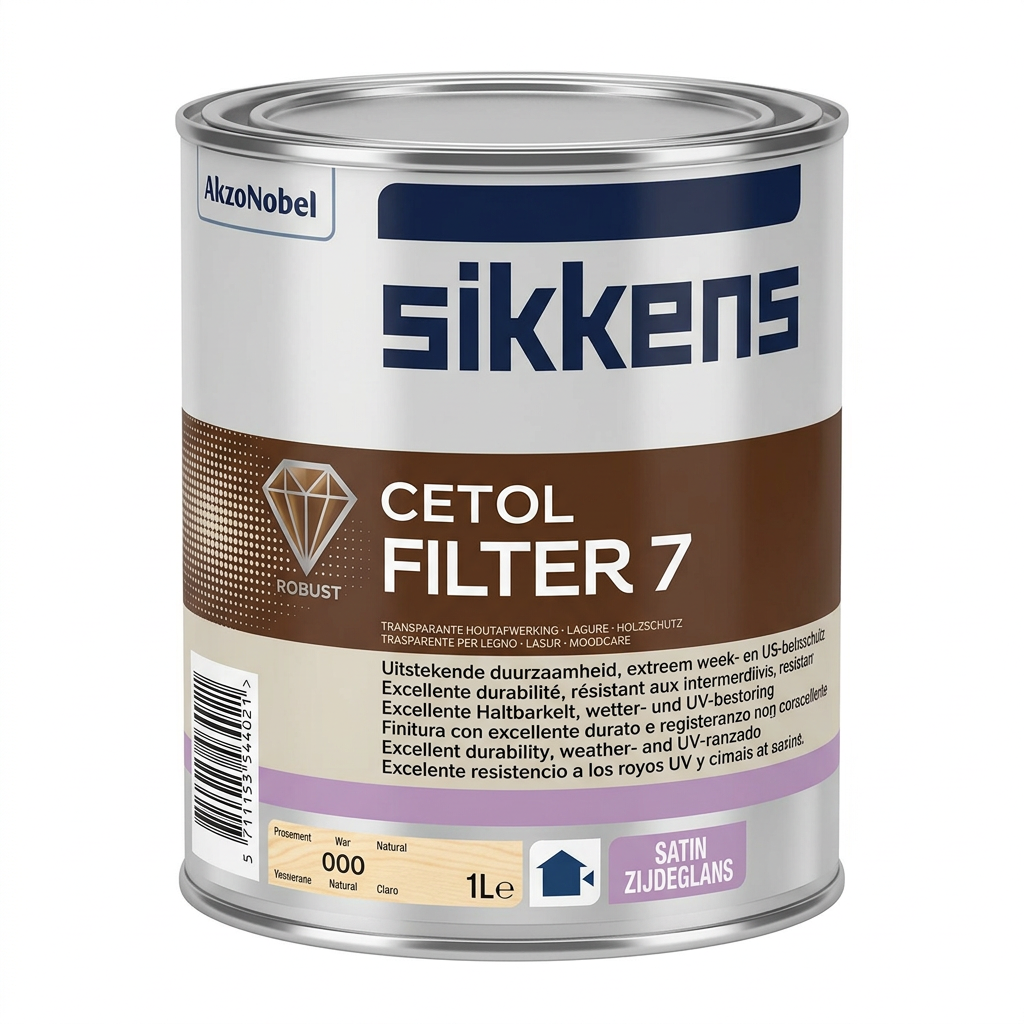
Sikkens Cetol Filter 7 Plus 1L and 5L — Solvent-based protective wood stain for exterior wood, UV and weather resistant
Sikkens Cetol Filter 7 Plus is a solvent-based protective wood stain for exterior wood, formulated to offer high resistance to...
From 35.50 € 45.50 €35.50 €35.50 € 45.50 €In stock, ready for dispatch -


 -21%MORA
Mora Wood Oil — Protective Stain Base and Interior and Exterior Finish
Mora Wood Oil is a high-penetration protective wood stain formulated to be ready-to-use as both primer and finish in a...
From 10.07 € 14.71 €89.94 €89.94 € 114.95 €In stock, ready for dispatch -
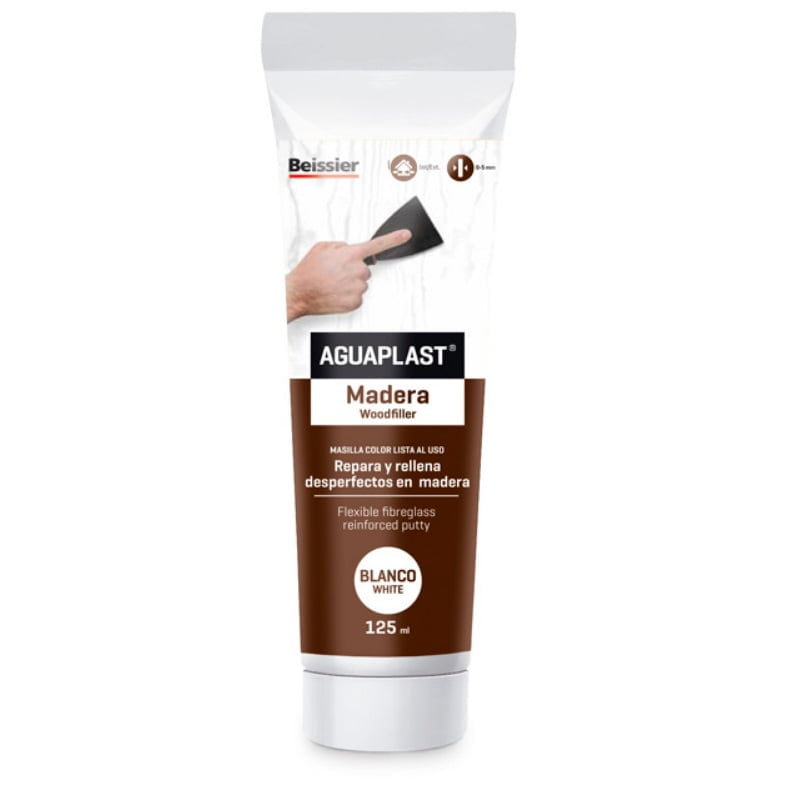 -25%Beissier
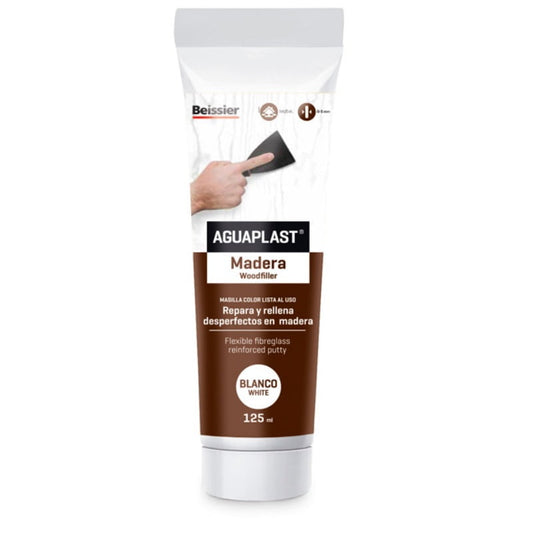
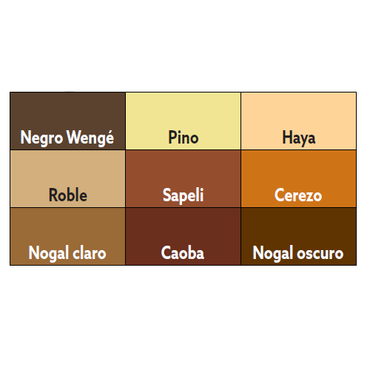
Aguaplast Wood - Flexible Acrylic Putty with Fiberglass, 10 Colors Interior and Exterior
Aguaplast Madera is Beissier's ready-to-use acrylic filler reinforced with fiberglass for repairing, filling, and leveling all types of wood —...
3.98 € 5.35 €3.98 €3.98 € 5.35 €In stock, ready for dispatch -
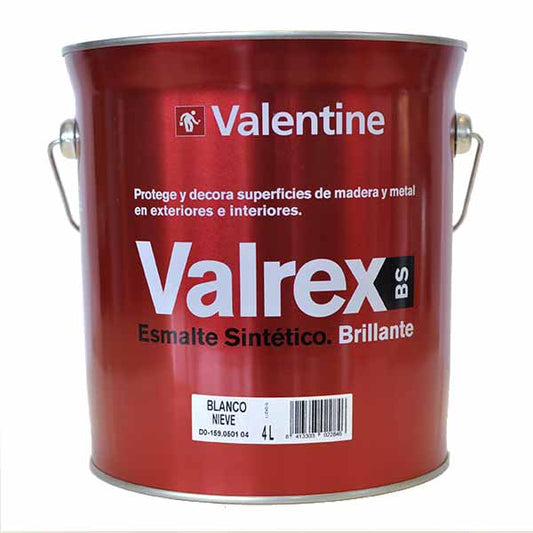
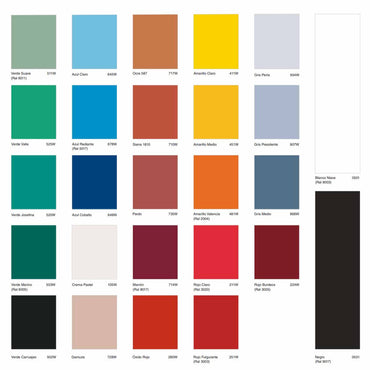
 VALENTINE
Valrex Brilliant Valentine
Valrex Brillante Valentine Valrex Brillante by Valentine is a premium synthetic enamel suitable for protecting and decorating wood and metal...
From 4.76 € 28.50 €4.76 €4.76 €In stock, ready for dispatch -
 -42%TITAN DECO
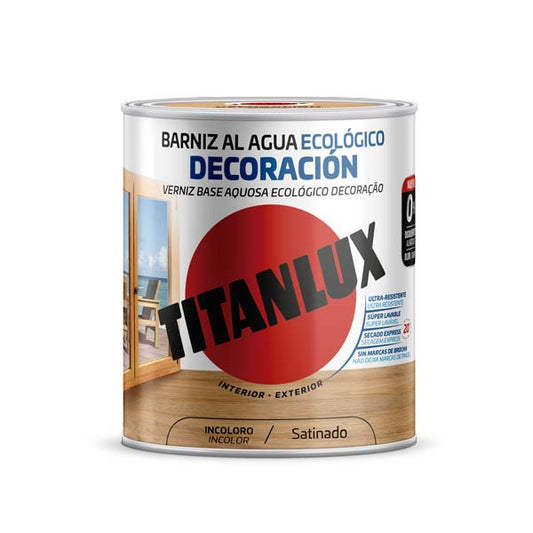
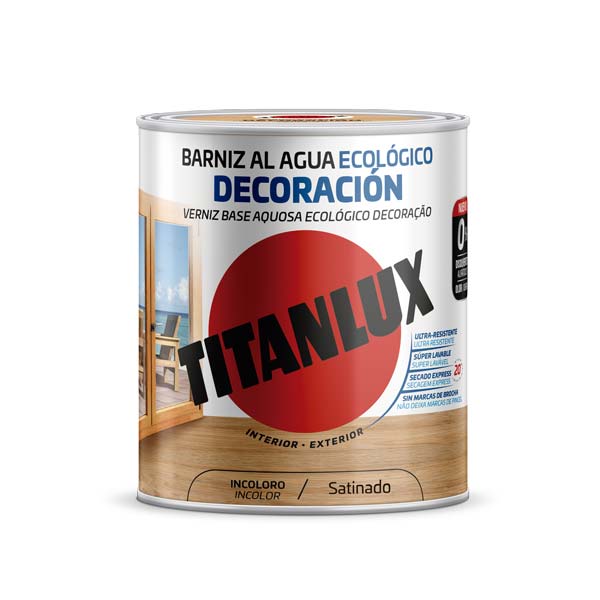
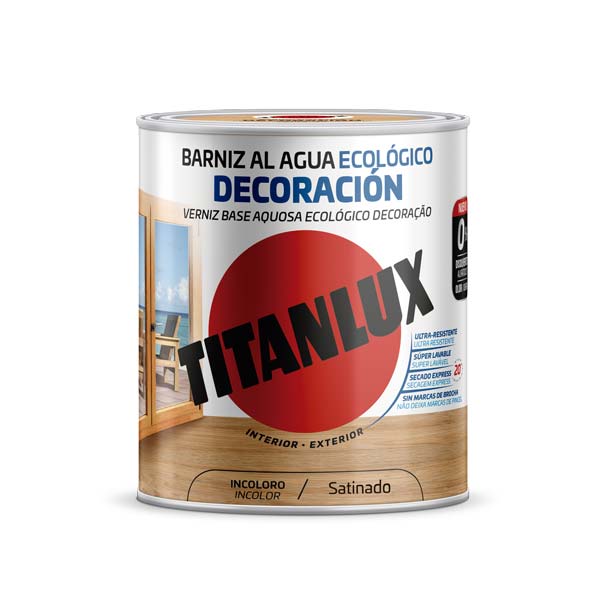
Titan Water-Based Ecological Varnish for Decoration 250ml, 750ml, and 2.5L — Acrylic-polyurethane, 7 wood tones and clear, Ecolabel
Titan's Ecological Water-Based Varnish for Decoration is a quick-drying acrylic-polyurethane water-based varnish for protecting and decorating indoor wood. It offers...
From 9.90 € 17.12 €9.90 €9.90 € 17.12 €In stock, ready for dispatch -
 -21%CEDRIA
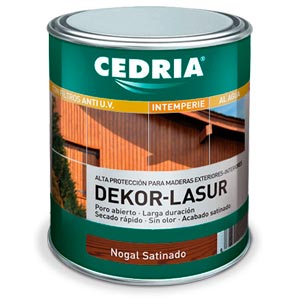
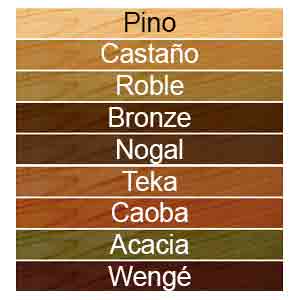
Cedria Dekor — Satin Open-Pore Glaze for Exterior Wood with Double Solar Protection in 55 Colors
Cedria Lasur Dekor is Cedria's satin, open-pore, water-based wood stain — with double sun protection, water repellency, high elasticity, and...
From 8.14 € 10.35 €8.14 €8.14 € 10.35 €In stock, ready for dispatch -
 -68%SIKKENS
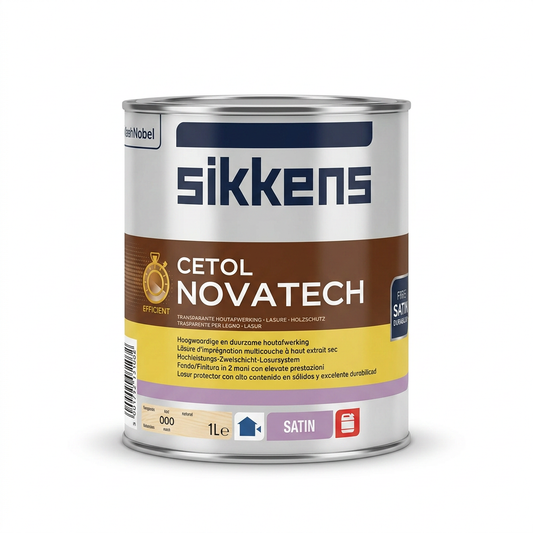
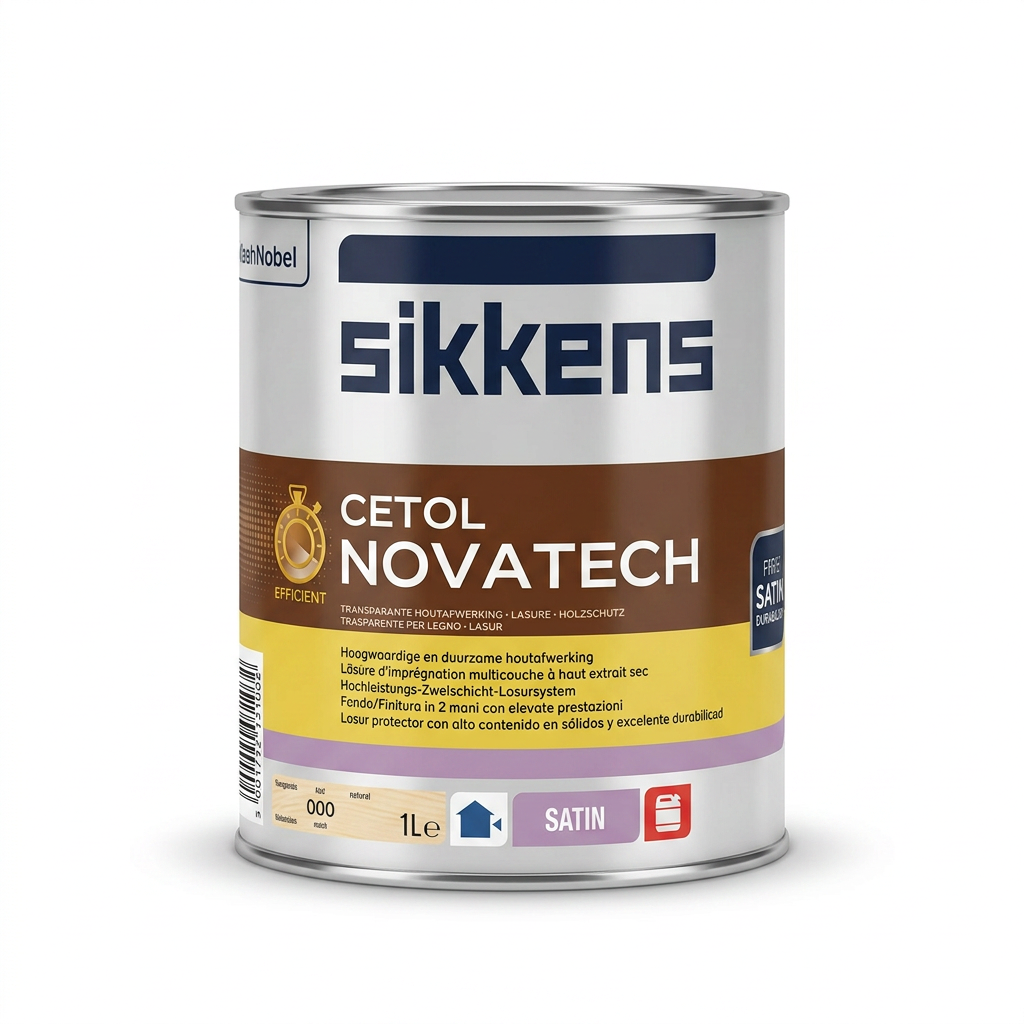
Sikkens Cetol Novatech 1L — High-solid wood stain for exterior wood, open-pored with fungicide action
Sikkens Cetol Novatech is a high-tech glaze with a high solid content (68%), designed for long-lasting protection of outdoor wood....
From 16.94 € 54.45 €16.94 €16.94 € 54.45 €In stock, ready for dispatch -

 -30%CEDRIA
Cedria Lasur Plus Dek Machined Satin — Professional Industrial Application Wood Stain 20 L
Cedria Lasur Plus Dek Satin Machined is Cedria's professional water-based wood stain specifically formulated for mechanized and industrial application —...
From 209.95 € 299.95 €209.95 €209.95 € 299.95 €In stock, ready for dispatch -
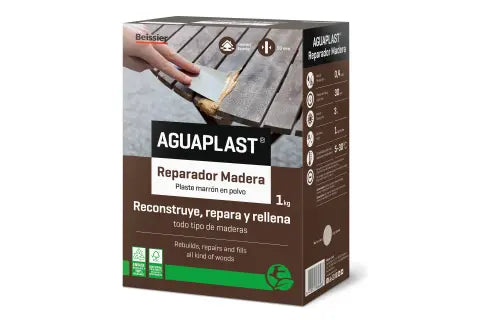 -35%Beissier
Aguaplast Wood Repair — Powder Filler for Repairing Cracks and Holes in Wood 1 kg
Aguaplast Wood Restorer is Beissier's powder filler specifically formulated for repairing and reconstructing deteriorated wood — deep cracks, holes, knots,...
5.75 € 8.95 €5.75 €5.75 € 8.95 €In stock, ready for dispatch -
-
 -19%PROMADE
Promade Antiquing Wax for Furniture
Wax to nourish and protect wood, giving it a natural look. It is ideal for restoring and finishing antique, rustic,...
From 7.95 € 9.90 €7.95 €7.95 € 9.90 €In stock, ready for dispatch -
 -32%SIKKENS
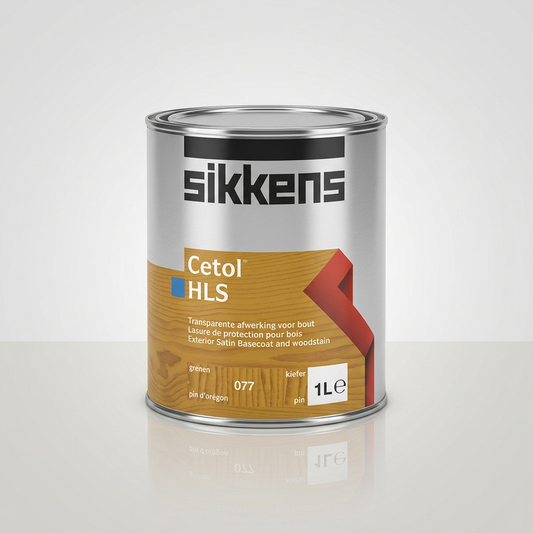
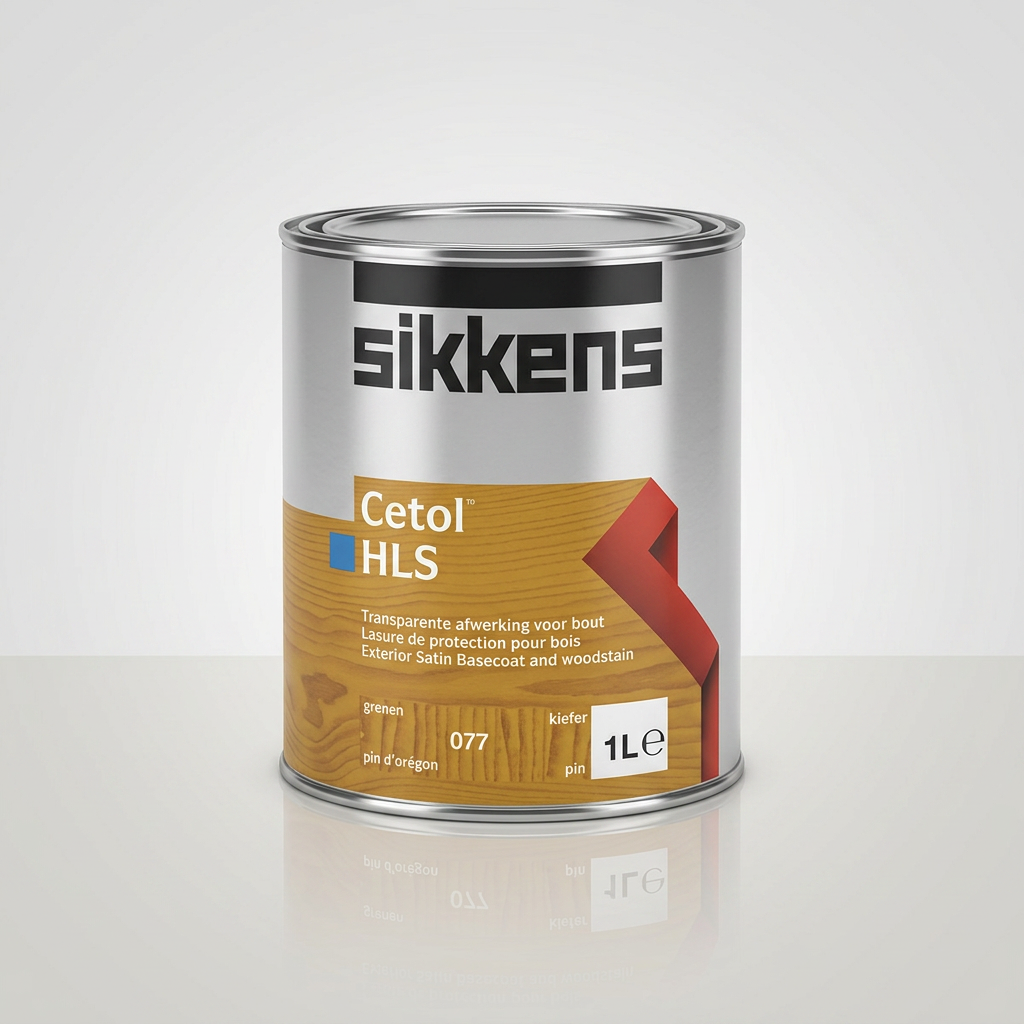
Sikkens Cetol HLS 1L and 5L — Fungicidal wood stain primer for exterior wood, high penetration
Sikkens Cetol HLS is a high-penetration wood stain primer that acts as a protective base coat within Cetol finishing systems....
From 22.74 € 37.15 €25.26 €25.26 € 37.15 €In stock, ready for dispatch