Wood varnishes and lacquers
Varnish forms a transparent film on wood that protects it from wear, moisture, and stains, while allowing the grain to show through. It is the go-to finish for furniture, doors, stairs, floors, and interior carpentry, and is also available in outdoor versions with UV filters.
Water-based or solvent-based
| Type | Hardness | Odor and drying | Suitable for |
|---|---|---|---|
| Water-based polyurethane | Very high | Low odor, fast drying | Floors, stairs, high-traffic areas |
| Water-based acrylic | Medium | Low odor, fast drying | Furniture, interior, light woods |
| Synthetic | High | Strong, slow drying | Traditional warm finish, exterior |
| 2C Polyurethane | Maximum | Requires mixing | Intensive use, hospitality, countertops |
Gloss, satin, or matte
- ✓ Glossy: apparent maximum hardness and easy to clean, but shows every scratch and imperfection.
- ✓ Satin: the most versatile. Hides wear and maintains depth in the grain.
- ✓ Matte: natural appearance, almost like untreated wood. Hides marks well.
- ✓ Workshop trick: apply the first coats in gloss (greater hardness) and the last in your desired sheen.
- ✓ Stir matte finishes well before use: the matting agent settles at the bottom of the can.
How to varnish without marks
- 1 → Sand progressively up to P180–P240 and clean dust with a tack cloth.
- 2 → If you are going to stain, do it first and allow it to dry completely.
- 3 → Apply the first coat diluted according to the technical data sheet: it seals the pores and adheres better.
- 4 → Lightly sand between coats with P240–P320. This is what distinguishes a domestic finish from a professional one.
- 5 → Apply two or three thin coats, always in the direction of the grain and without overloading. Do not overload to save coats: it will cause drips.
-
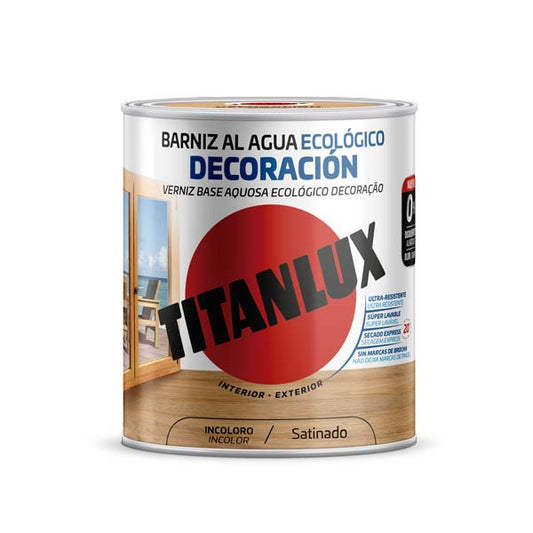
 -42%TITAN DECO
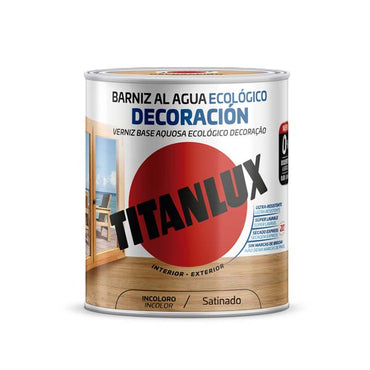
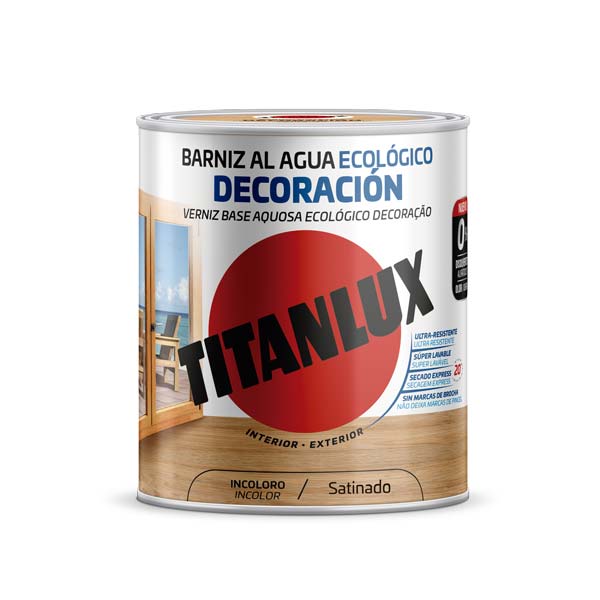
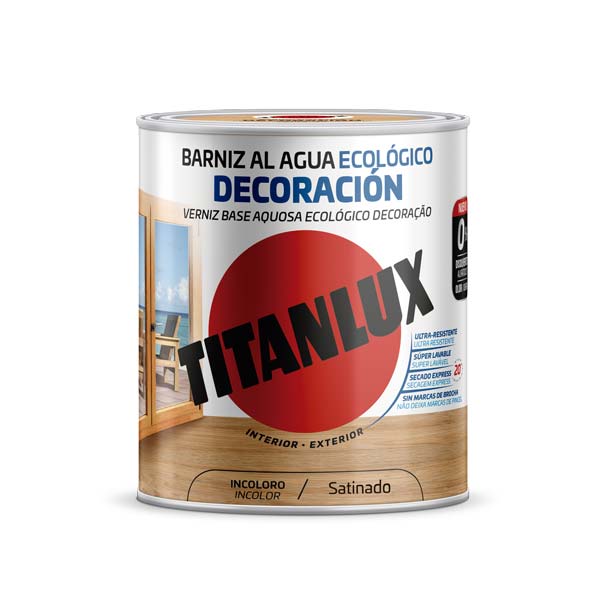
Titan Water-Based Ecological Varnish for Decoration 250ml, 750ml, and 2.5L — Acrylic-polyurethane, 7 wood tones and clear, Ecolabel
Titan's Ecological Water-Based Varnish for Decoration is a quick-drying acrylic-polyurethane water-based varnish for protecting and decorating indoor wood. It offers...
From 9.90 € 17.12 €9.90 €9.90 € 17.12 €In stock, ready for dispatch -
 -38%TITAN DECO
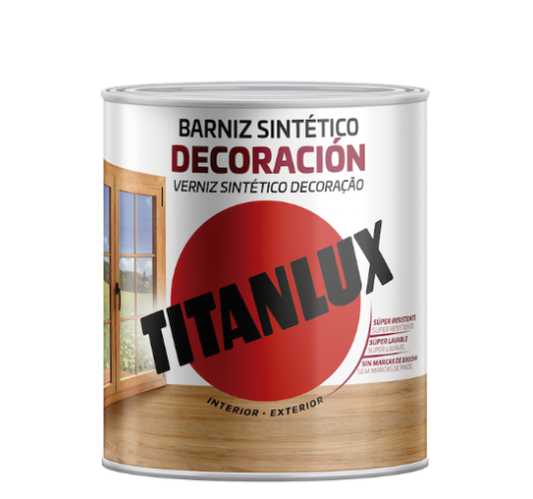
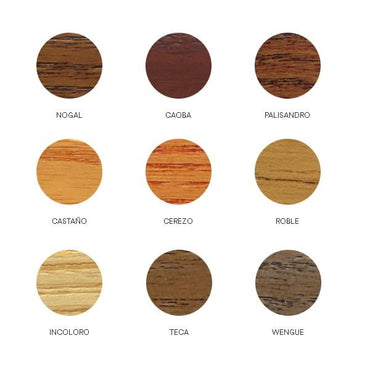
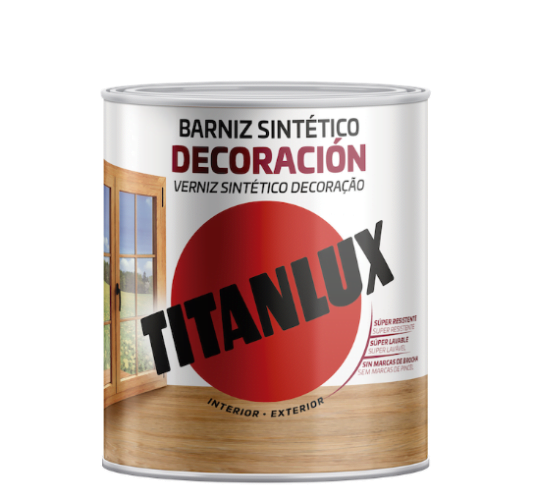
Titanlux Synthetic Tinted Varnish 250ml and 750ml — High solids, 8 wood and colorless tones, interior and exterior, UV filter
The Titanlux Synthetic Stain Varnish is a high-solid wood varnish, washable, hard, and elastic. Its transparent pigments act as a...
From 7.95 € 13.01 €7.95 €7.95 € 13.01 €In stock, ready for dispatch -
 -32%CEDRIA
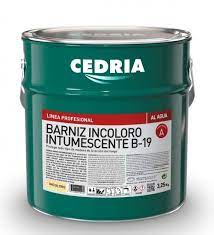
Cedria B-19 — 2K Water-Based Colorless Intumescent Varnish Fire Resistance up to 90 min Beams and Pillars
Cedria Intumescent Colorless Varnish B-19 is Cedria's two-component water-based intumescent varnish — passive fire protection for up to 90 minutes...
From 154.49 € 229.54 €154.49 €154.49 € 229.54 €In stock, ready for dispatch -
 -21%CEDRIA
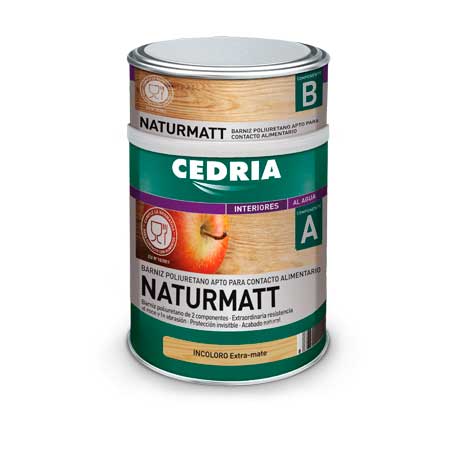
Cedria Naturmatt — 2K Water-Based Food-Grade Polyurethane Varnish for Countertops and Bar Tops, Extra Matte Finish
Cedria Naturmatt Varnish is Cedria's water-based, extra-matte, two-component polyurethane varnish certified for direct food contact — kitchen countertops, bar tops,...
From 35.66 € 45.33 €35.66 €35.66 € 45.33 €In stock, ready for dispatch -
 -56%TITAN DECO
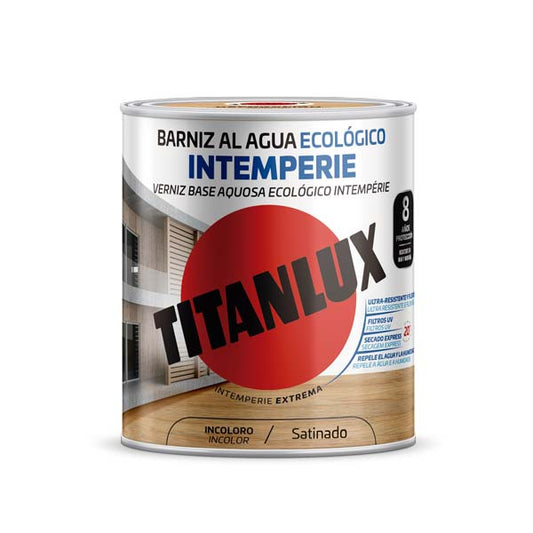
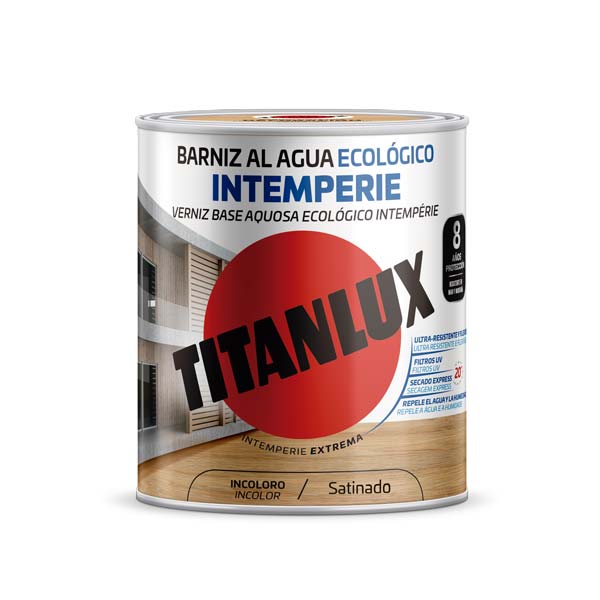
Titan Ecological Water-Based Varnish for Outdoors 250ml, 750ml, and 2.5L — Acrylic with UV filters and anti-mold for exterior wood
Titan Ecological Weather-Resistant Water-Based Varnish is a high-resistance, hard, and flexible water-based acrylic varnish with UV filters and an anti-mold...
From 8.55 € 16.70 €44.80 €44.80 € 102.31 €In stock, ready for dispatch -
 -21%CEDRIA
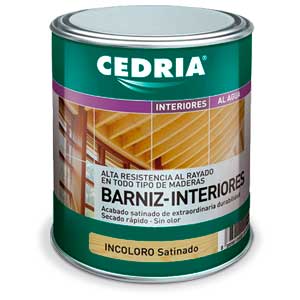
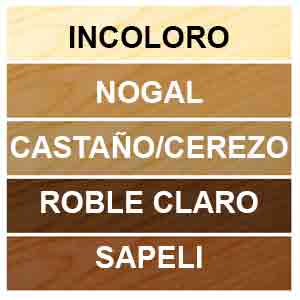
Cedria Interior Varnish — Decorative Water-Based Varnish for Interiors and Covered Exteriors, Quick-Drying
Cedria Interior Varnish is Cedria's water-based decorative varnish for interior and sheltered exterior wood (Service Class II) — quick-drying, low...
From 7.44 € 9.46 €7.44 €7.44 € 9.46 €In stock, ready for dispatch -
 -32%CEDRIA
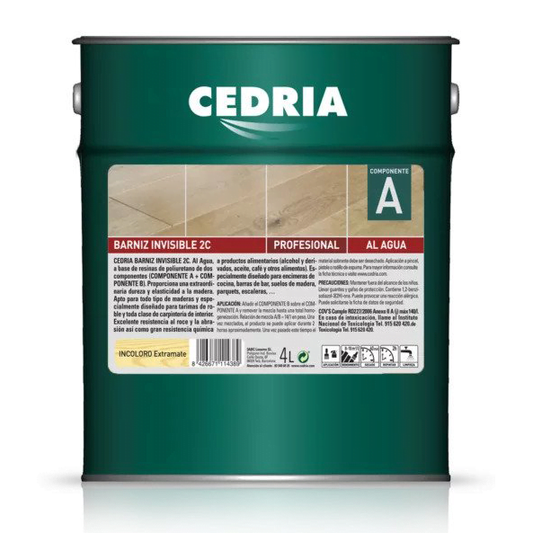
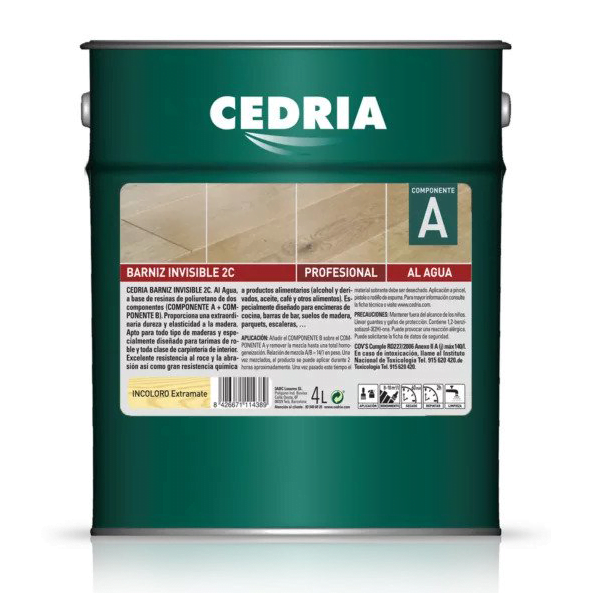
Cedria Invisible Varnish 2C — 2K Colorless Polyurethane Varnish High Resistance Interior Floors and Parquet
Cedria Invisible Varnish 2C is Cedria's colorless two-component water-based polyurethane varnish — extraordinary hardness, chemical resistance, tannin-blocking action — for...
From 95.19 € 141.42 €97.98 €97.98 € 145.59 €In stock, ready for dispatch -
 -21%CEDRIA
Cedria Parquet and Stair Varnish — High-Resistance Colorless Urethane-Acrylic Floor Glaze
Cedria Parquet Stair Varnish is Cedria's single-component, water-based, acrylic-urethane clear floor finish — highly resistant to rubbing, abrasion, and household...
From 9.34 € 11.88 €24.08 €24.08 € 30.62 €In stock, ready for dispatch -
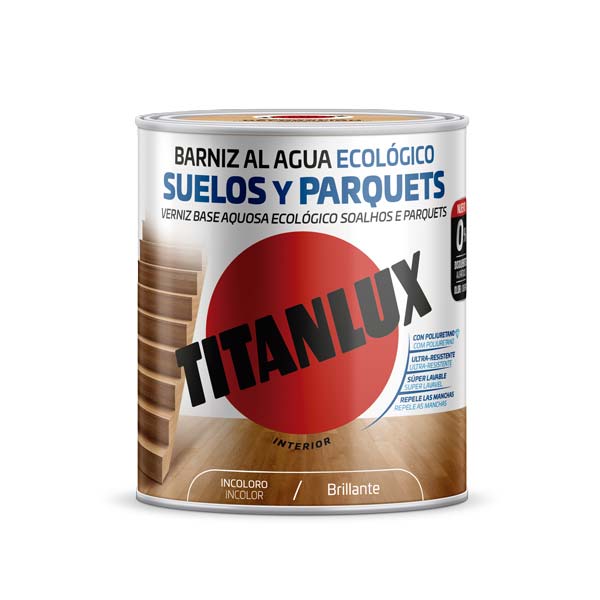 -25%TITAN DECO
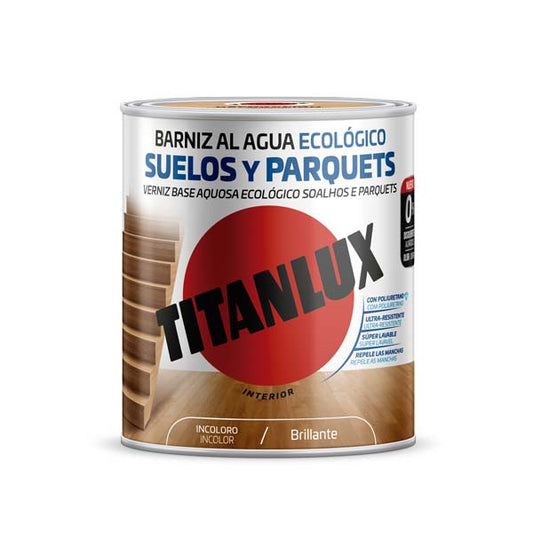
Titan Ecological Water-Based Varnish for Floors and Parquet 750ml and 2.5L — High-hardness polyurethane, non-yellowing and odorless
Titan's Eco Water-Based Varnish for Floors and Parquets is a single-component polyurethane varnish of great hardness and flexibility, water-based, designed...
From 18.95 € 32.25 €79.95 €79.95 € 107.87 €In stock, ready for dispatch -
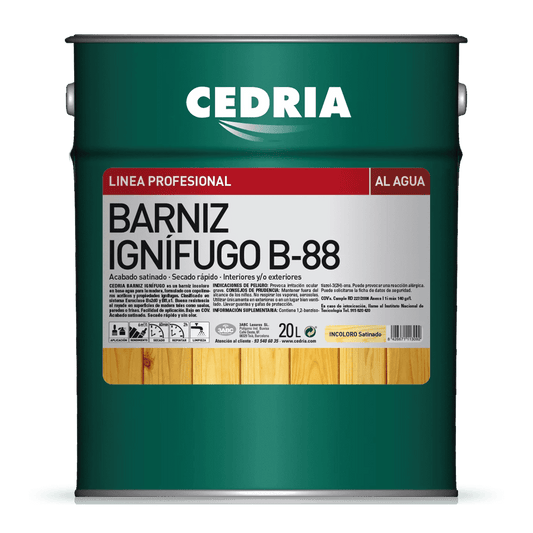
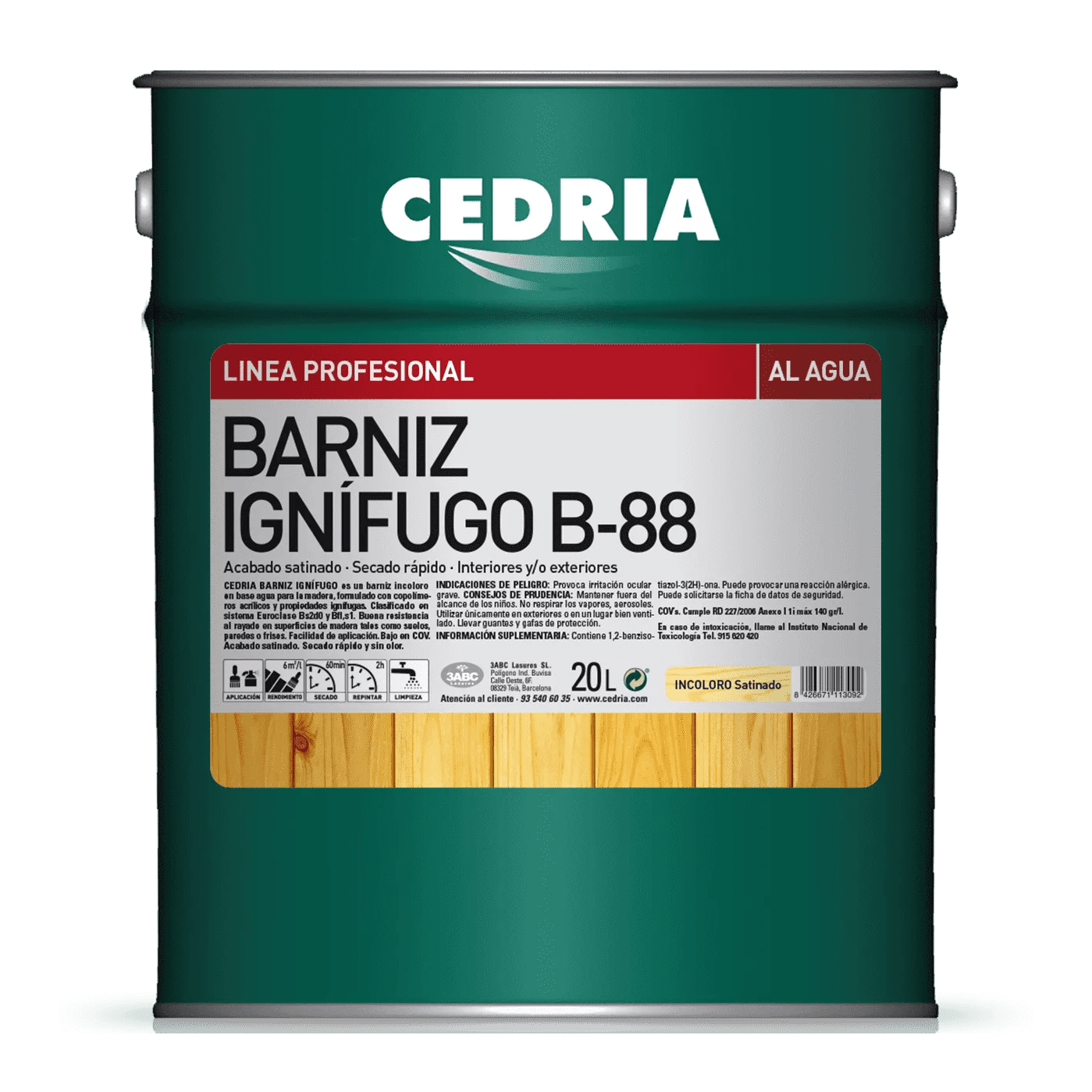 -32%CEDRIA
Cedria B-88 — Satin Clear Flame Retardant Water-Based Varnish for Interior and Exterior Use Bs1d0 BFLs1 BROOF
Cedria B-88 Water-based Fire Retardant Varnish is Cedria's colorless satin fire retardant varnish for all types of interior and exterior...
From 106.84 € 158.75 €106.84 €106.84 € 158.75 €In stock, ready for dispatch -
 -34%SIKKENS
Sikkens BL Hydratol Teka
Sikkens BL Hydratol Teka Application system New wood: Both hardwood and softwood: 3 coats of Cetol BL Hydratol. Painted or...
From 22.18 € 34.12 €22.18 €22.18 € 34.12 €In stock, ready for dispatch -
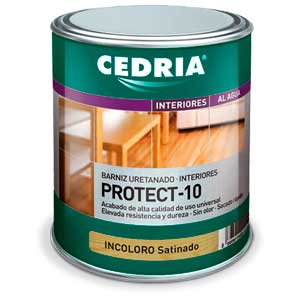
 -21%CEDRIA
Cedria Barniz Protect 10 — Ultra-Resistant Water-Based Polyurethane Varnish for Interior Doors and Floors
Cedria Protect 10 Varnish is Cedria's high-resistance water-based colorless polyurethane varnish — ultra-resistant finish to wear and tear for interior...
From 24.11 € 30.66 €24.11 €24.11 € 30.66 €In stock, ready for dispatch