Plastic paint for interiors
Plastic paint is the standard option for interior walls and ceilings: water-based, quick-drying, low odor, and easy to apply. Price differences between them are not in the color, but in the hiding power, washability, and yield per liter.
Matte, satin, or eggshell: where each one goes
| Finish | Advantage | Room |
|---|---|---|
| Matte | Hides flaws, no reflections | Ceilings, bedrooms, living rooms |
| Eggshell | Balance between aesthetics and cleanliness | Hallways, high-traffic areas |
| Satin | Maximum washability | Kitchens, bathrooms, children's rooms |
How to read the label and truly compare
The UNE-EN 13300 standard classifies interior paints and allows comparison between brands without relying on commercial claims.
- ✓ Wet scrub resistance, class 1 to 5: 1 is the most washable, 5 the least.
- ✓ Hiding power, class 1 to 4: class 1 covers with fewer coats, and that's where the real savings are.
- ✓ Typical yield: 10–12 m² per liter and coat on a prepared surface.
- ✓ Always compare cost per finished square meter, not price per can.
- ✓ If there are children or allergy sufferers at home, check the VOC content and low-emission seals.
Painting a room well
- 1 → Repair holes and cracks with putty, sand, and dust with a damp cloth.
- 2 → Seal with a primer if the wall is new, very porous, or powdery.
- 3 → Cut in corners, baseboards, and frames with a brush before using the roller.
- 4 → Roll in a zigzag pattern, then smooth vertically, working in sections without letting the edge dry.
- 5 → Apply a second coat respecting the drying time. Two well-applied coats cover better than one thick one.
-
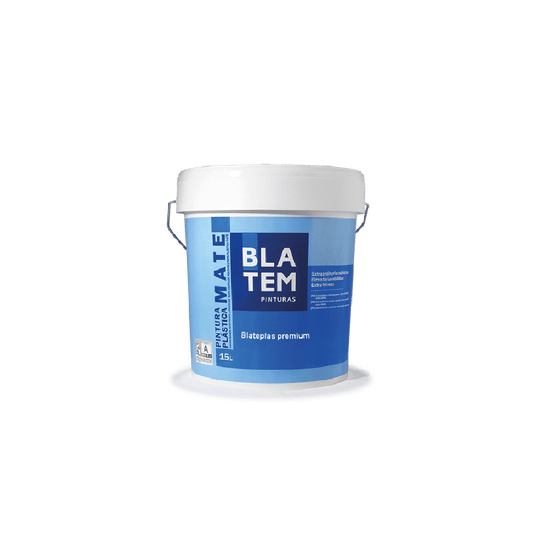
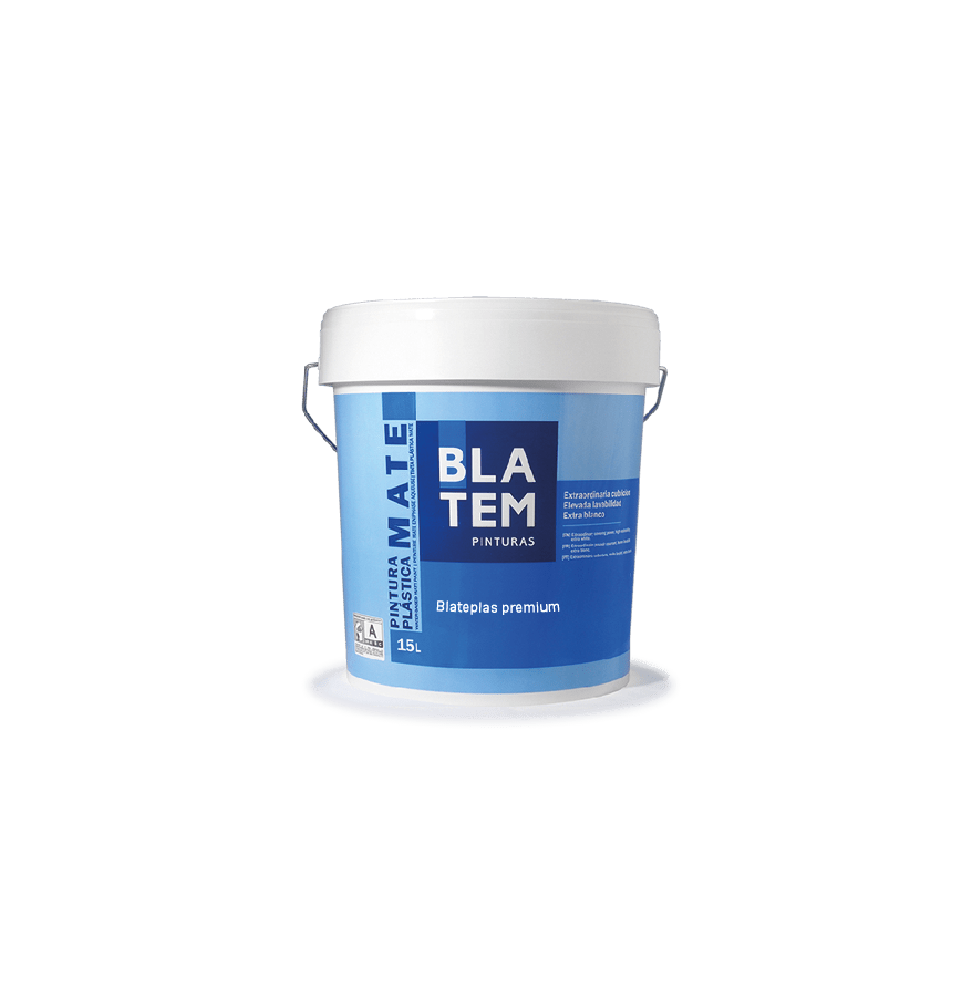 -20%Blatem
Blateplas Premium Anti-Mold
High-quality matte acrylic plastic paint for interiors and exteriors. Excellent coverage, adhesion, and wet scrub resistance, and good whiteness, performance,...
129.12 € 161.40 €129.12 €129.12 € 161.40 €In stock, ready for dispatch -
 -20%Blatem
Junior Splashproof Blatem
Matte acrylic plastic paint for interiors, for professional use on large surfaces, with good coverage, adhesion, whiteness, yield, wash resistance...
75.78 € 94.73 €75.78 €75.78 € 94.73 €In stock, ready for dispatch -
 -20%Blatem
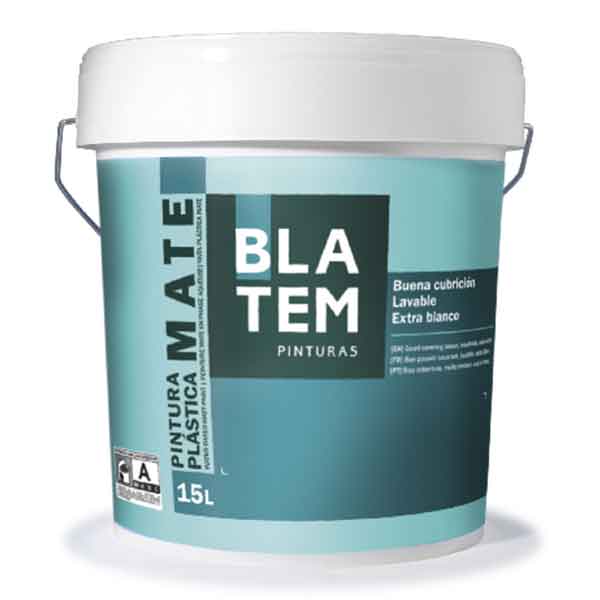
Junior Anti-Splash Anti-Mould Blatem
Matte acrylic plastic paint for professional use on surfaces prone to mold. Good coverage, adhesion, whiteness, yield, wash resistance, and...
From 33.42 € 41.78 €33.42 €33.42 € 41.78 €In stock, ready for dispatch -
 -19%Blatem
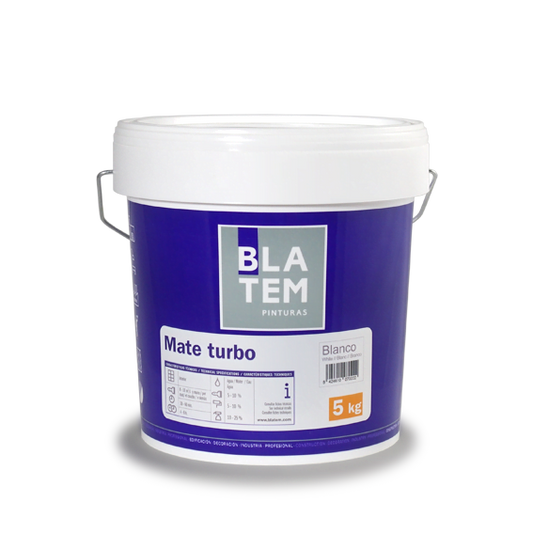
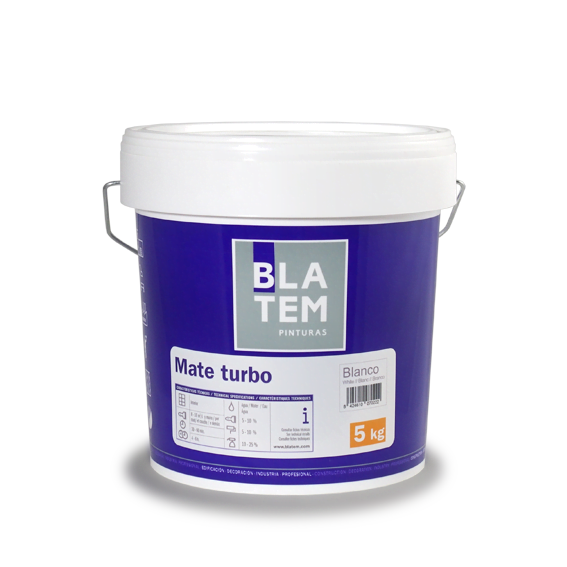
Turbo Mate Blatem
Matt plastic paint for interiors, with good adhesion, whiteness and application. Formulated with the most advanced technology in styrene-acrylic copolymers...
58.58 € 73.22 €58.58 €58.58 € 73.22 €In stock, ready for dispatch -
 -19%Blatem
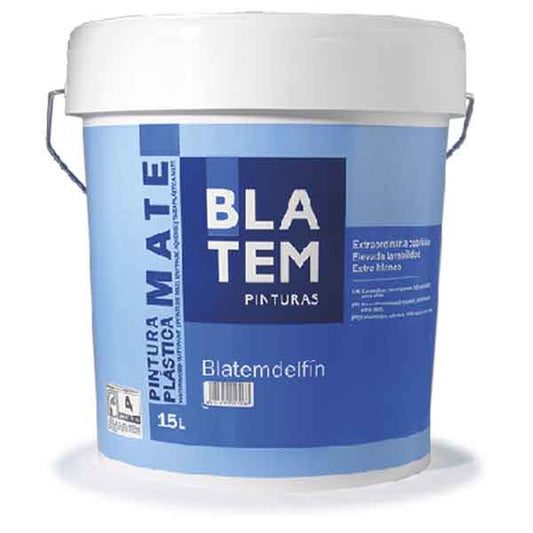
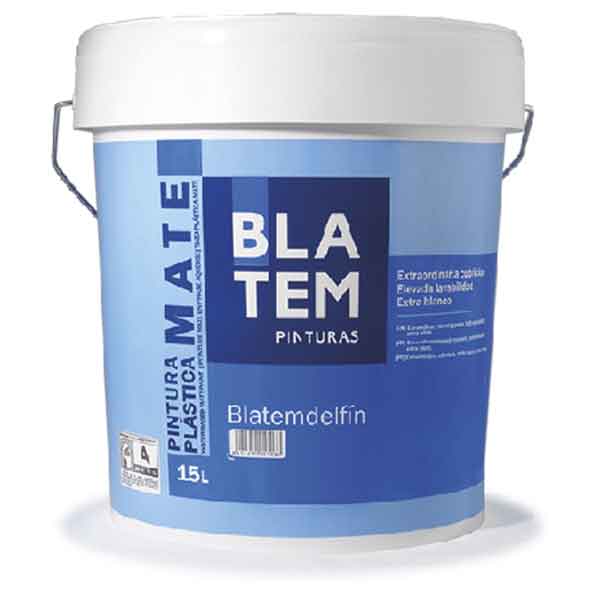
Blatemdelfin Anti-Splatter
Matt acrylic plastic paint for interior and exterior, except facades, with high covering power, adhesion and whiteness. Good performance, wash...
From 8.57 € 10.71 €8.57 €8.57 € 10.71 €In stock, ready for dispatch -
 -19%Blatem
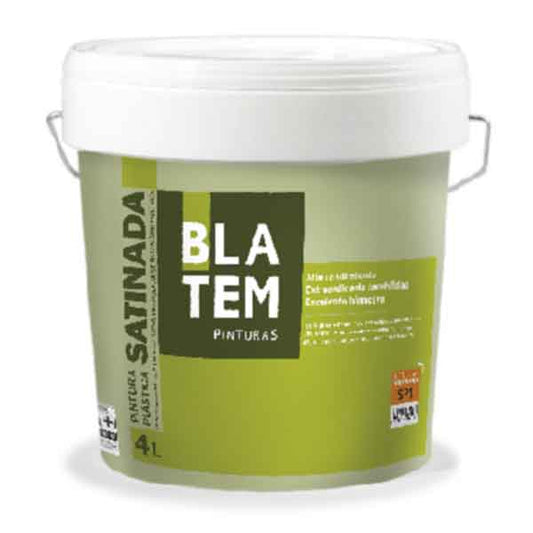
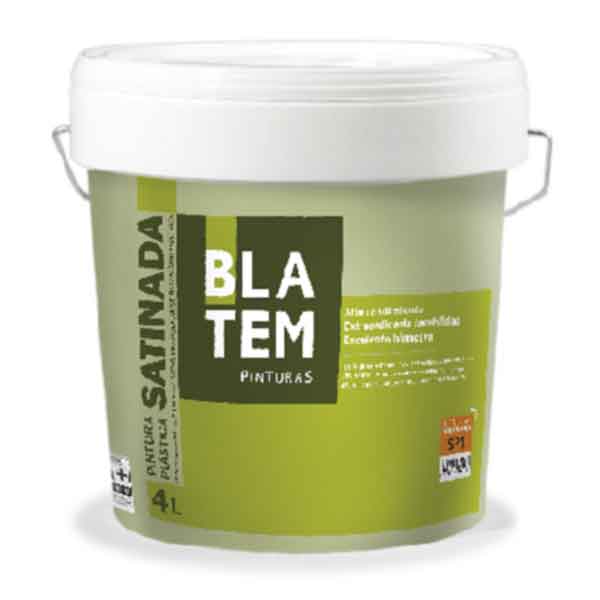
Sport Blatem
Satin vinyl plastic paint for interior and exterior use. Excellent quality, whiteness, coverage, non-tackiness and easy application. Sheen: 55±8% (85°...
From 13.02 € 16.27 €13.02 €13.02 € 16.27 €In stock, ready for dispatch -
 -50%JUNO
A-100 Stimax Juno Matte White
🎨 JUNO Stimax A-100 — Interior-Exterior Matte Acrylic Paint JUNO Stimax A-100 is a high-performance water-based acrylic paint, formulated with...
113.41 € 230.26 €113.41 €113.41 € 230.26 €In stock, ready for dispatch -
 -20%Blatem
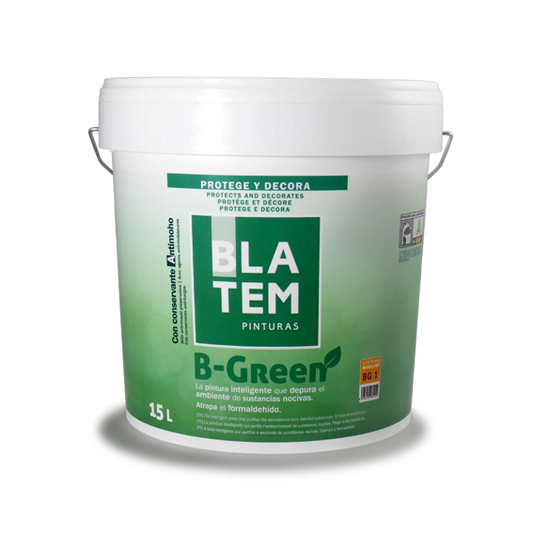
Blatem B-Green 15L
PROPERTIES Excellent adhesion and coverage, as well as very good application properties, yield and whiteness. Traps free formaldehyde present in...
112.82 € 141.03 €112.82 €112.82 € 141.03 €In stock, ready for dispatch -
 -19%Blatem
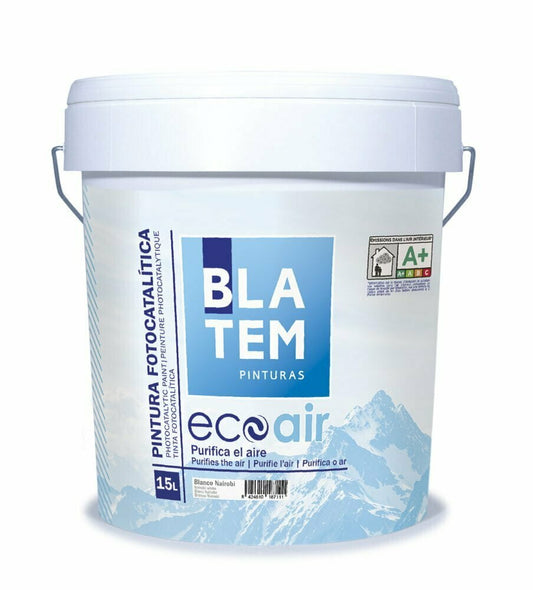
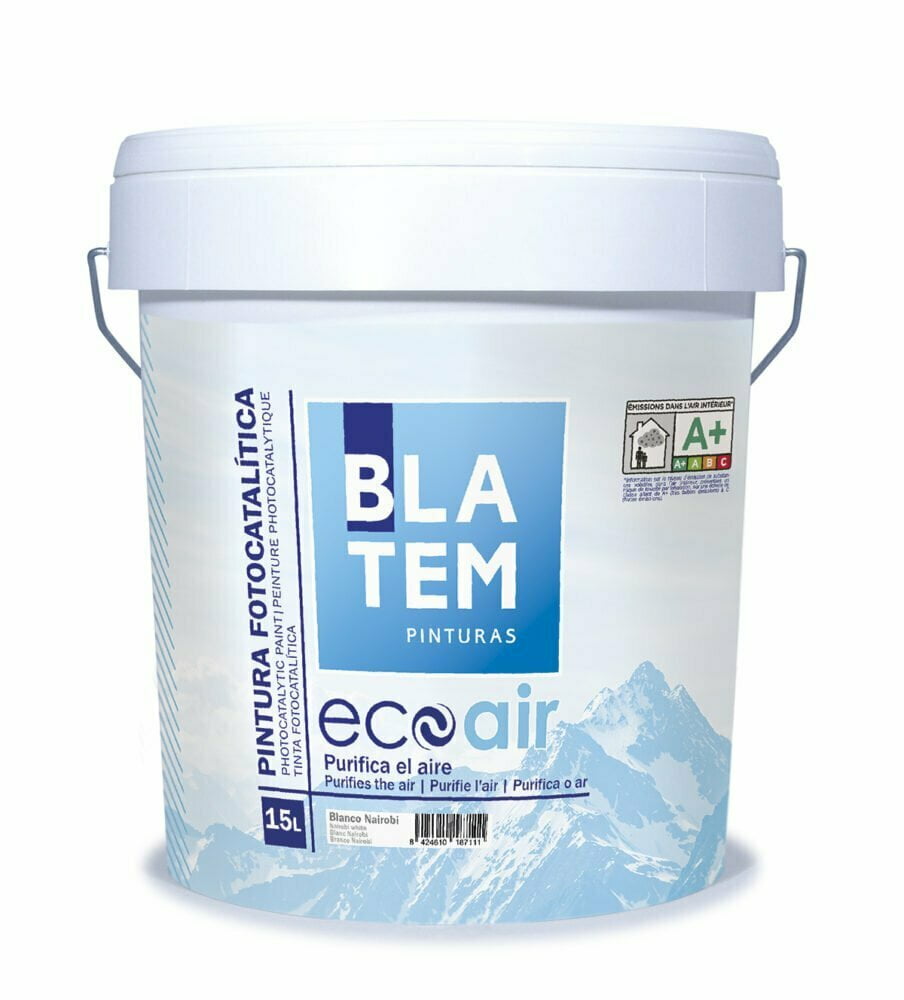
Ecoair Blatem
PROPERTIES Excellent application and finish properties, as well as good hiding power, yield, and adhesion. Reduces harmful substances in the...
From 68.14 € 85.17 €68.14 €68.14 € 85.17 €In stock, ready for dispatch -
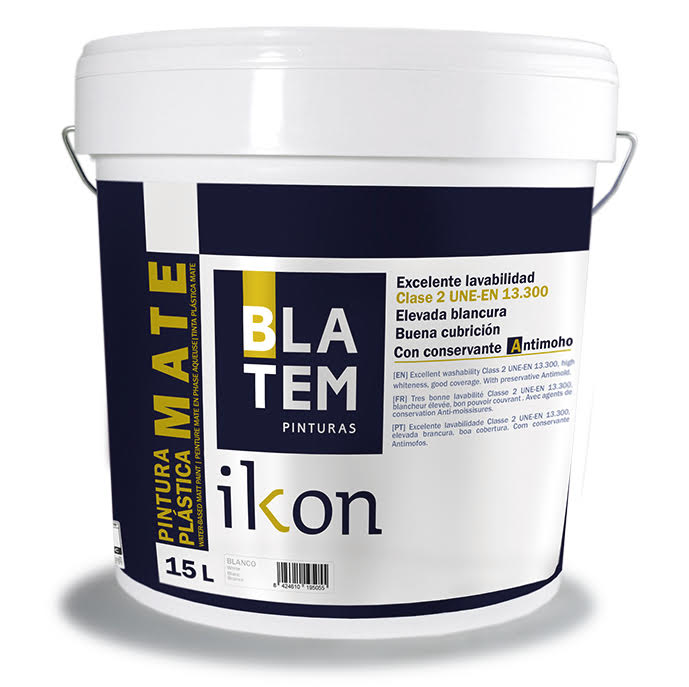 -19%Blatem
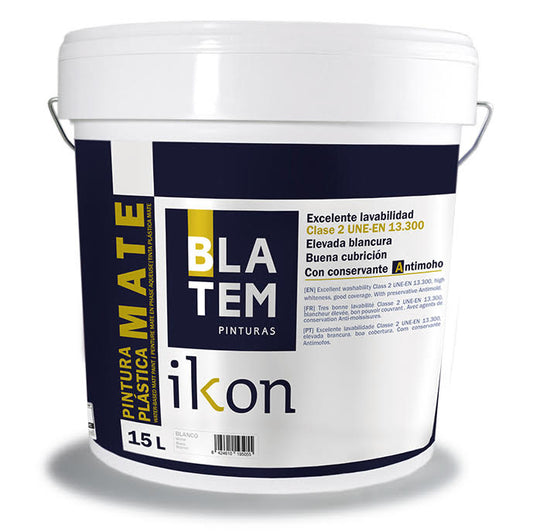
Blatem Ikon Anti-Mold Preservative
99.63 € 124.53 €99.63 €99.63 € 124.53 €In stock, ready for dispatch -
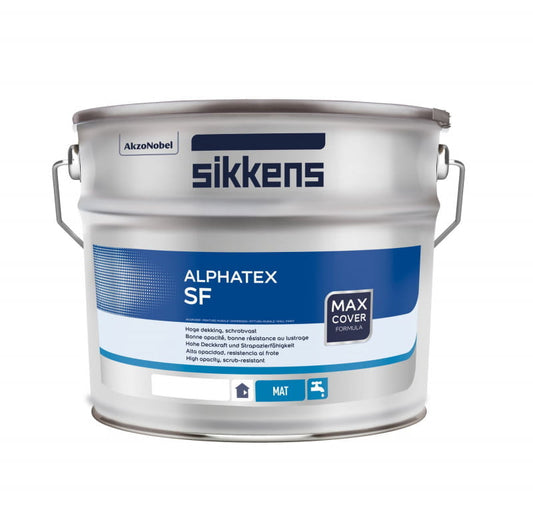
 -40%SIKKENS
Sikkens Alphatex SF
Sikkens Alphatex SFDiscover Sikkens Alphatex SF interior paint, the ideal solution to beautify your interior spaces with a durable, high-quality...
From 67.70 € 113.68 €67.70 €67.70 € 113.68 €In stock, ready for dispatch