Airless equipment and pressure spray painting machines
An airless sprayer atomizes paint at high pressure without compressed air, allowing you to paint up to ten times faster than with a roller, achieving a uniform finish without marks or overlaps. It is the standard tool for professional painters for facades, warehouses, and large surfaces.
Which equipment do you need for the job?
| Profile | Power | Flow Rate | Typical Use |
|---|---|---|---|
| Advanced DIY | 700 W | ~1.3 L/min | House, fences, furniture, occasional jobs |
| Versatile Professional | 2200 W | ~3 L/min | Complete interiors, medium facades, daily use |
| High Performance | 2800 W | ~4 L/min | Facades up to 3,000 m², warehouses, continuous work |
Choosing the right nozzle
The nozzle is identified by three digits: the first, multiplied by two, gives the fan width in inches; the next two indicate the orifice in thousandths.
- ✓ 515 – 517: plastic paint on walls and ceilings.
- ✓ 519 – 521: facade coatings and dense products.
- ✓ 311 – 313: enamels, varnishes, and carpentry, narrow fan.
- ✓ Replace the nozzle when the fan starts to widen or leave tails.
Good usage and safety practices
- 1 → Filter the paint and follow the manufacturer's dilution instructions.
- 2 → Keep the gun perpendicular and 25–30 cm from the surface.
- 3 → Overlap each pass by 50% to avoid streaks.
- 4 → Always use the trigger safety lock: pressure can inject product under the skin.
- 5 → Clean the equipment immediately after use. This is the number one cause of breakdowns.
-
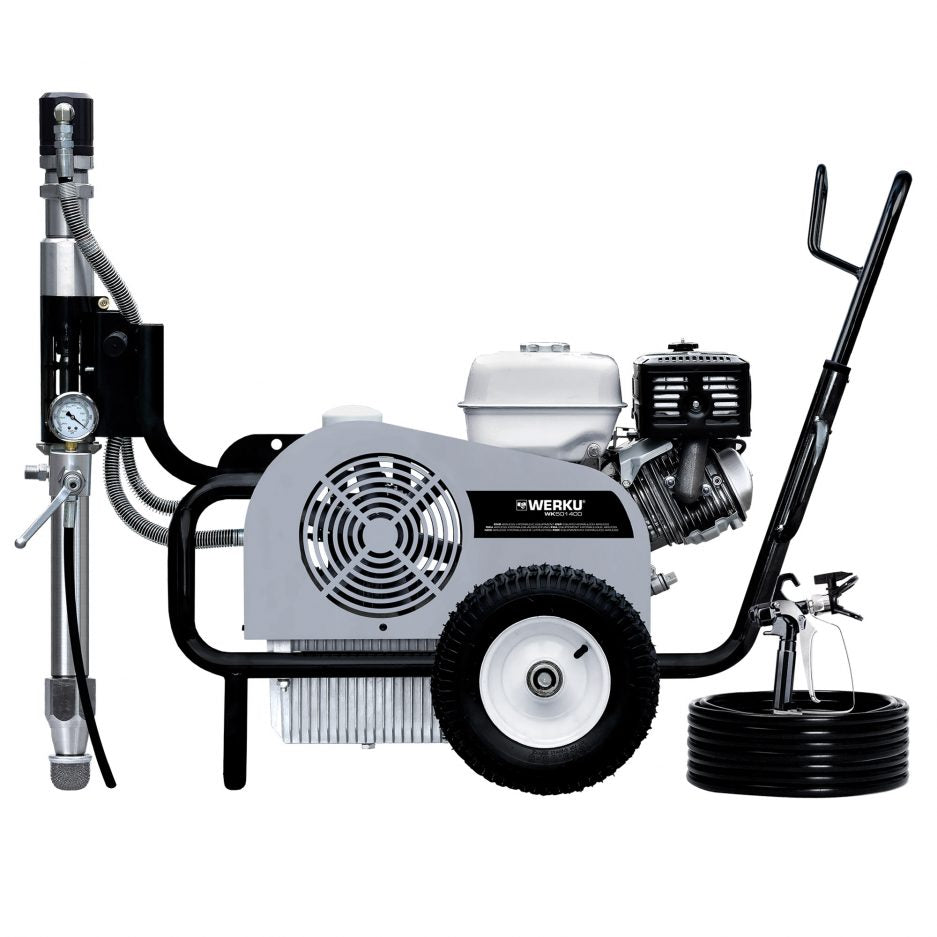 -49%WERKU
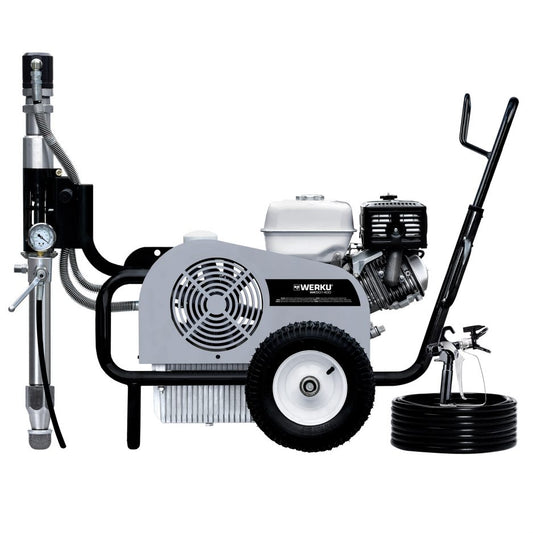
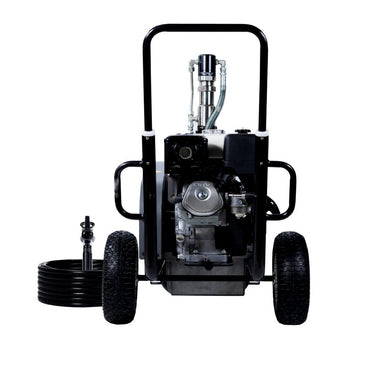
Werku WK501400 — 9HP 12LPM Gasoline Hydraulic Airless Sprayer for Industrial Works and Facades
The Werku WK501400 Gasoline Hydraulic Airless Sprayer is the most powerful spraying system in the Werku range — 9 HP...
4,499.94 € 8,940.56 €4,499.94 €4,499.94 € 8,940.56 €In stock, ready for dispatch -
 -22%WERKU
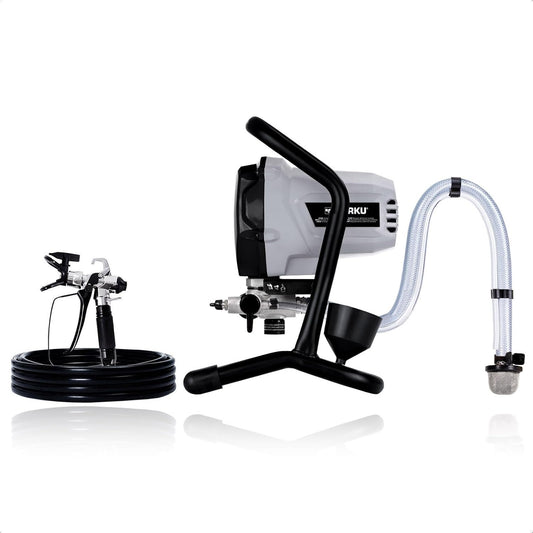
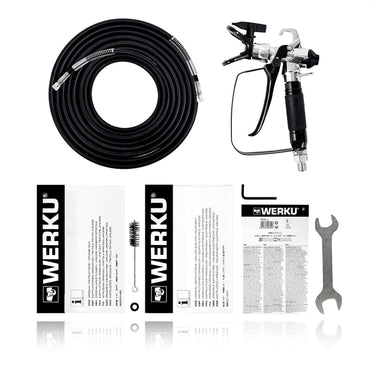
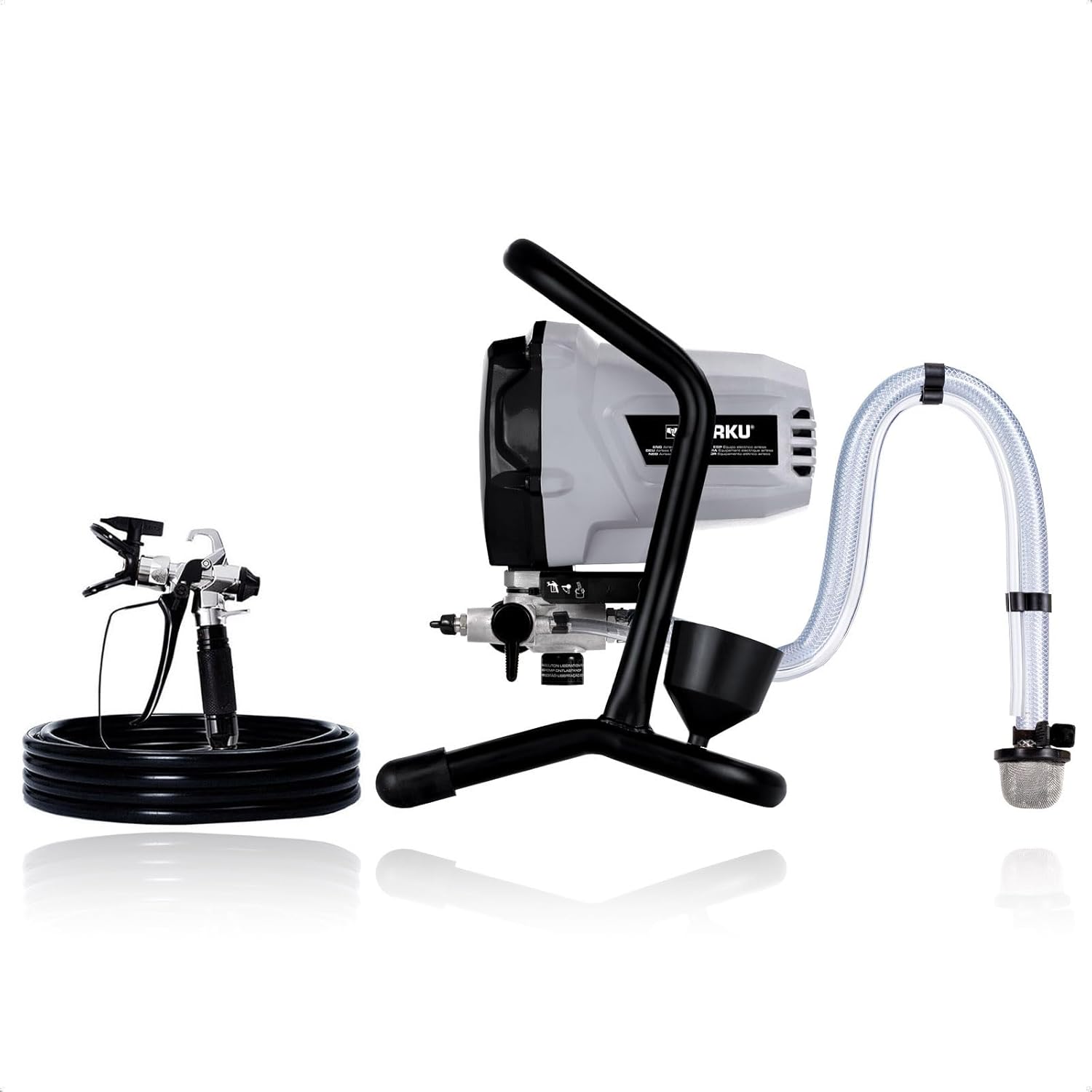
Werku WK501640 — Electric Airless Paint Sprayer 700W 205 Bar with 517 Spray Gun
Werku WK501640 is Werku's mid-range electric airless sprayer — 700 W at 205 bar with 517 gun included — for...
309.95 € 399.95 €309.95 €309.95 € 399.95 €In stock, ready for dispatch -
 -17%WERKU
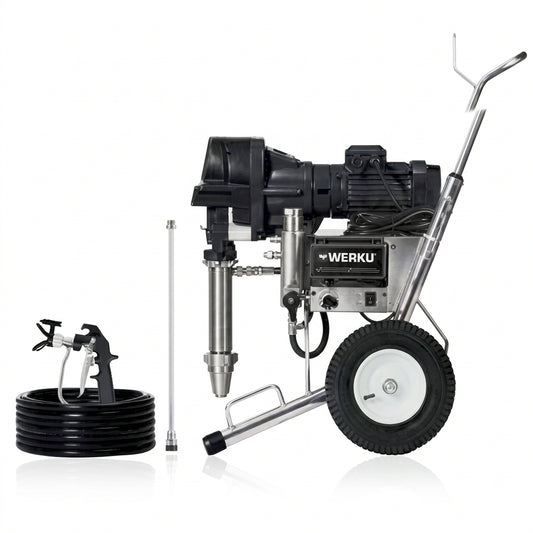
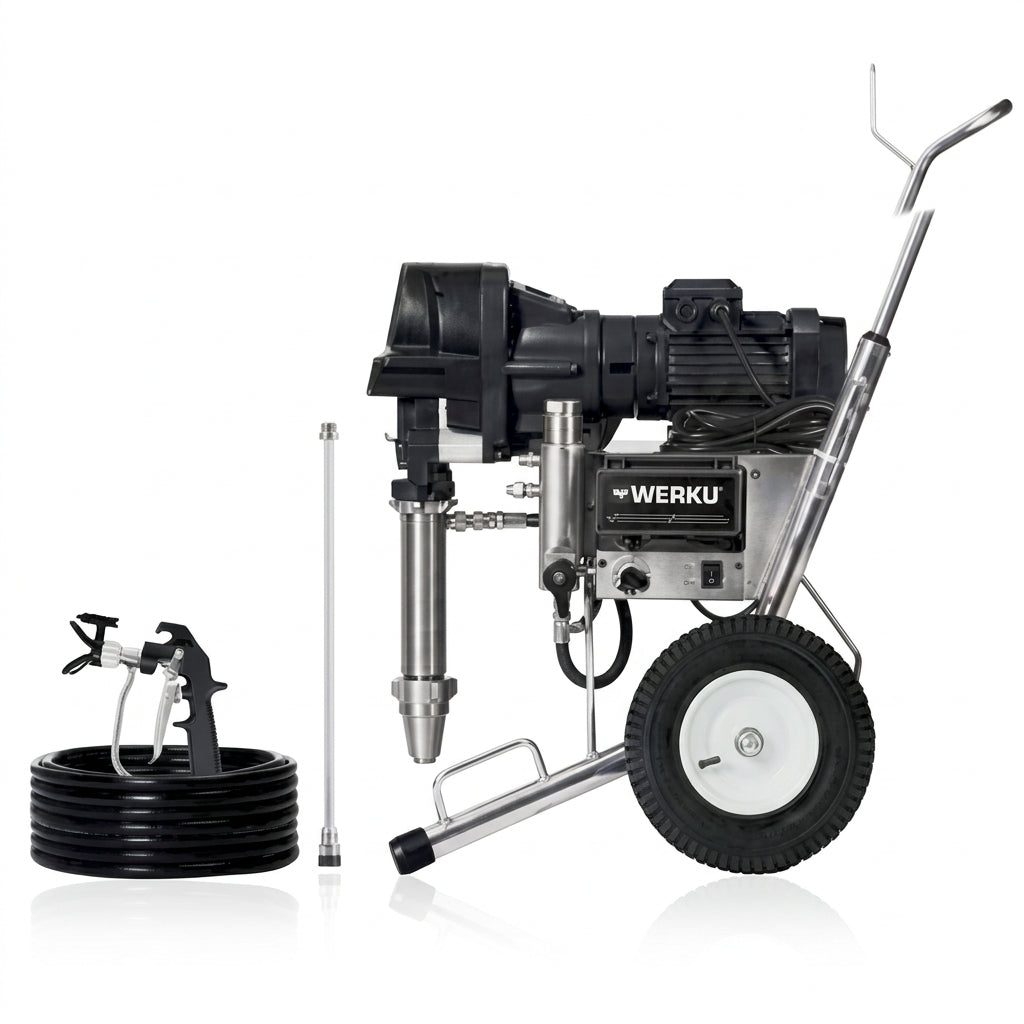
Werku WK501620 - Electric Airless Sprayer 3500W 8LPM 635 Nozzle for Industrial Facades
Werku WK501620 is Werku's high-end electric airless sprayer — with 3,500 W of power, a brushless motor, 8 LPM flow...
3,299.95 € 3,999.95 €3,299.95 €3,299.95 € 3,999.95 €In stock, ready for dispatch -
 -40%WERKU
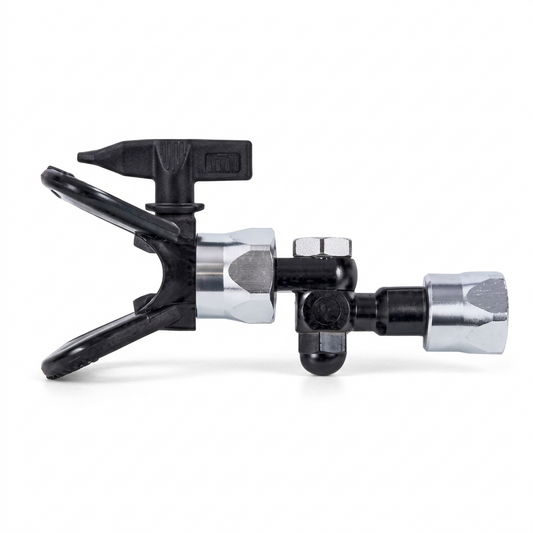
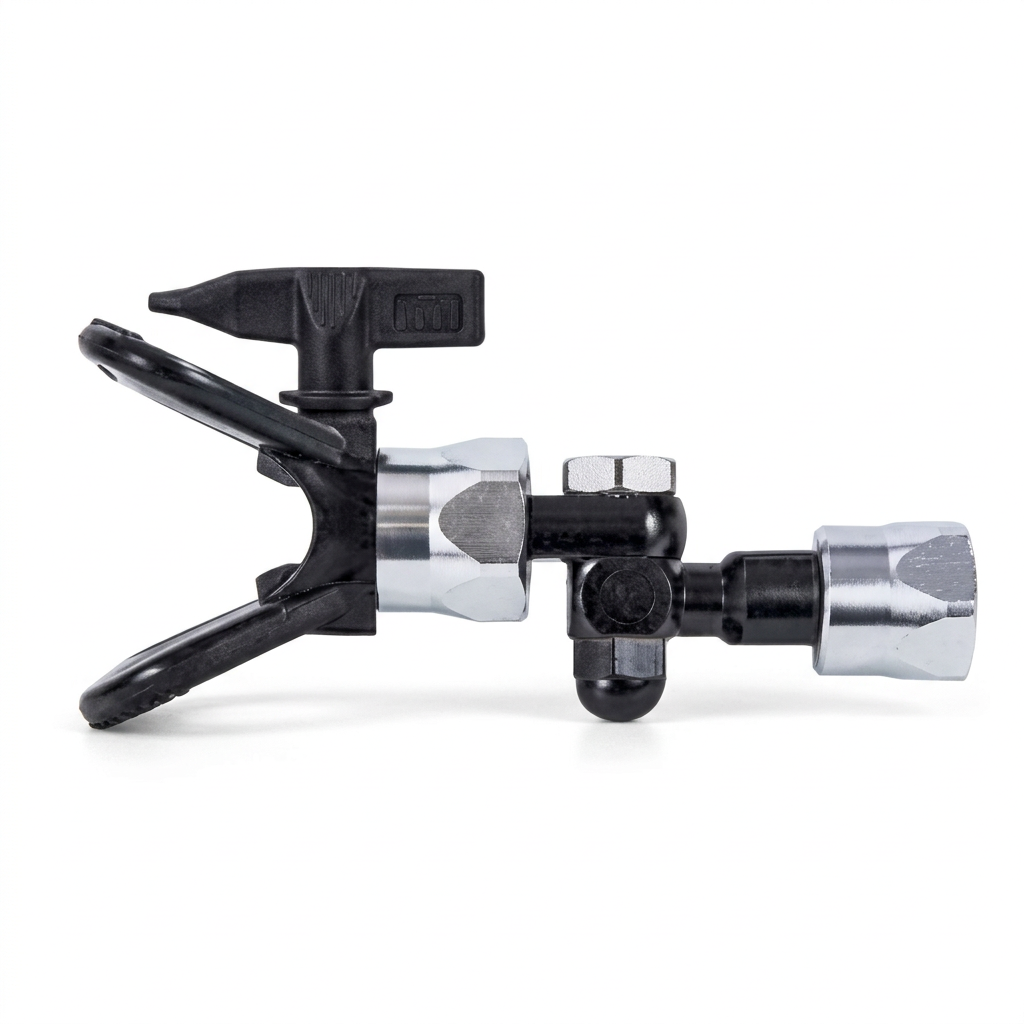
Swivel Nozzle Holder Airless WK500870 | Compatible Graco Wagner Titan
Airless Swivel Nozzle Holder WK500870 The airless swivel nozzle holder WK500870 is designed for professional airless spray applications. Manufactured with...
29.95 € 49.95 €29.95 €29.95 € 49.95 €In stock, ready for dispatch -
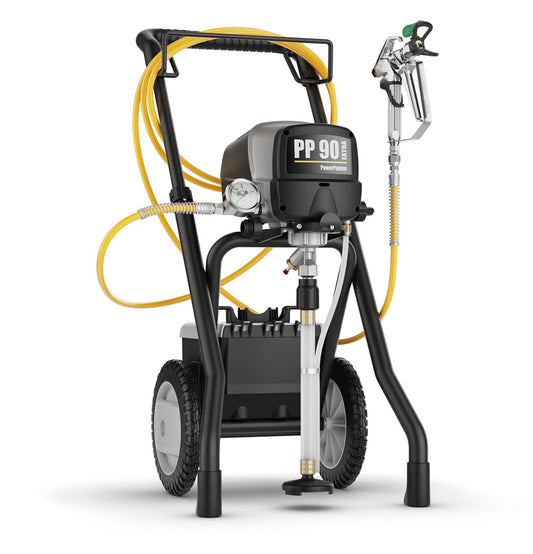
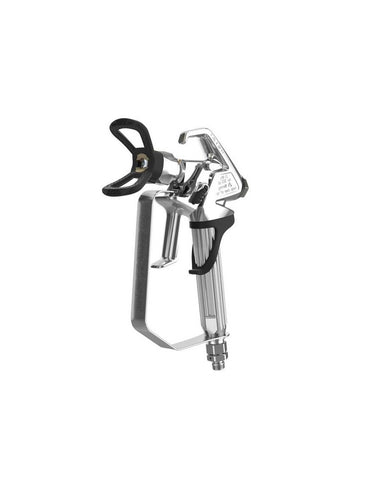 -40%wagner
Wagner Power Painter 90 Extra — Professional HEA Airless 200 bar 1.9 L/min Dispersion Paints
The Wagner Power Painter 90 Extra is Wagner's professional airless piston paint sprayer — HEA technology, 200 bar pressure, 1.9...
1,195.95 € 1,999.95 €1,195.95 €1,195.95 € 1,999.95 €In stock, ready for dispatch